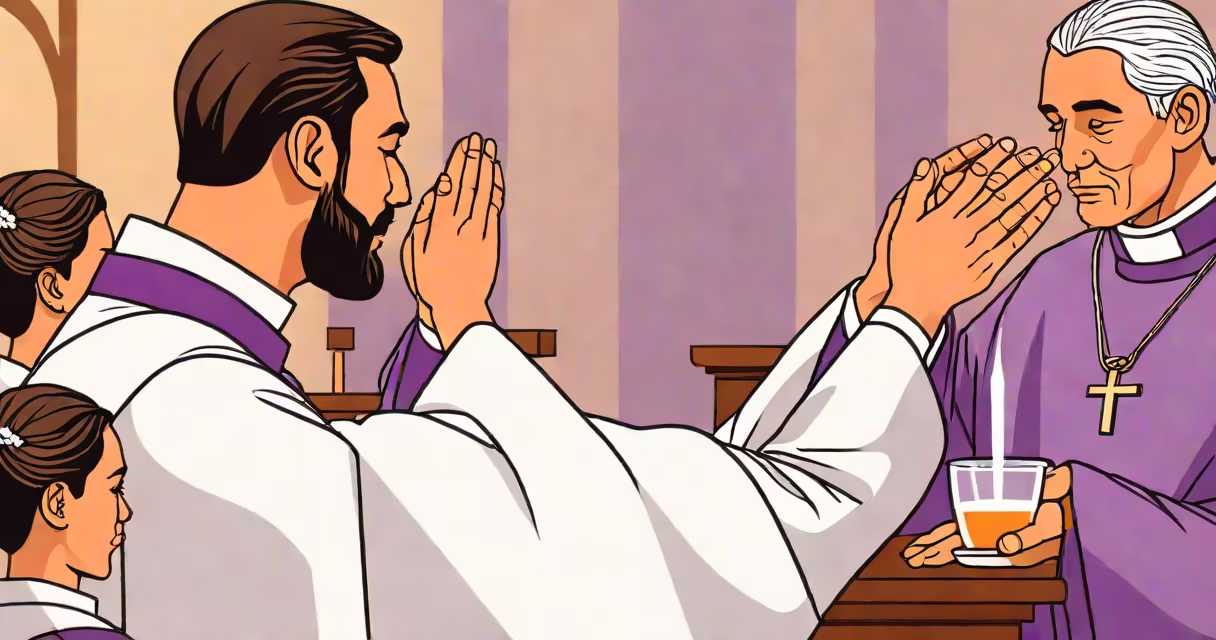
Ash Wednesday begins with the priest or minister saying, "Repent, and believe in the Gospel," while placing ashes on each person's forehead. This marks the start of Lent, a 40-day period of reflection and penance in Christian traditions.
The ceremony follows a set structure. After the opening prayer, the priest blesses the ashes, often made from burned palm fronds from the previous year's Palm Sunday. The congregation then approaches the altar, where they receive ashes while hearing one of several approved Bible verses.
| Common Verse | Source | Meaning |
|---|---|---|
| "Repent, and believe in the Gospel" | Mark 1:15 | Call to turn away from sin and embrace God's message |
| "Remember that you are dust, and to dust you shall return" | Genesis 3:19 | Reminder of human mortality and need for humility |
| "Turn away from sin and be faithful to the Gospel" | Mark 1:15 (alternate) | Encouragement to live according to Christian teachings |
These phrases aren't just rituals-they're core teachings. The ashes symbolize penance and the need for reconciliation with God. The words remind worshippers of their mortality and the temporary nature of earthly life, reinforcing the spiritual focus of Lent.
During my first Ash Wednesday service, the priest chose Genesis 3:19. As he marked my forehead, the weight of those words-"Remember that you are dust"-felt profound. It wasn't just about receiving a physical mark; it was about internalizing the message of repentance and renewal.
One frequent mistake is assuming the ashes have magical properties. In reality, their power lies in their symbolic meaning, not any supernatural effect. Another error is thinking only Catholics observe Ash Wednesday. While it's most prominent in Catholicism, many Protestant churches also participate.
Some people believe the ashes must come from palm fronds, but the Catholic Church allows other organic materials as long as they're burned. The key requirement is that they're blessed before use.