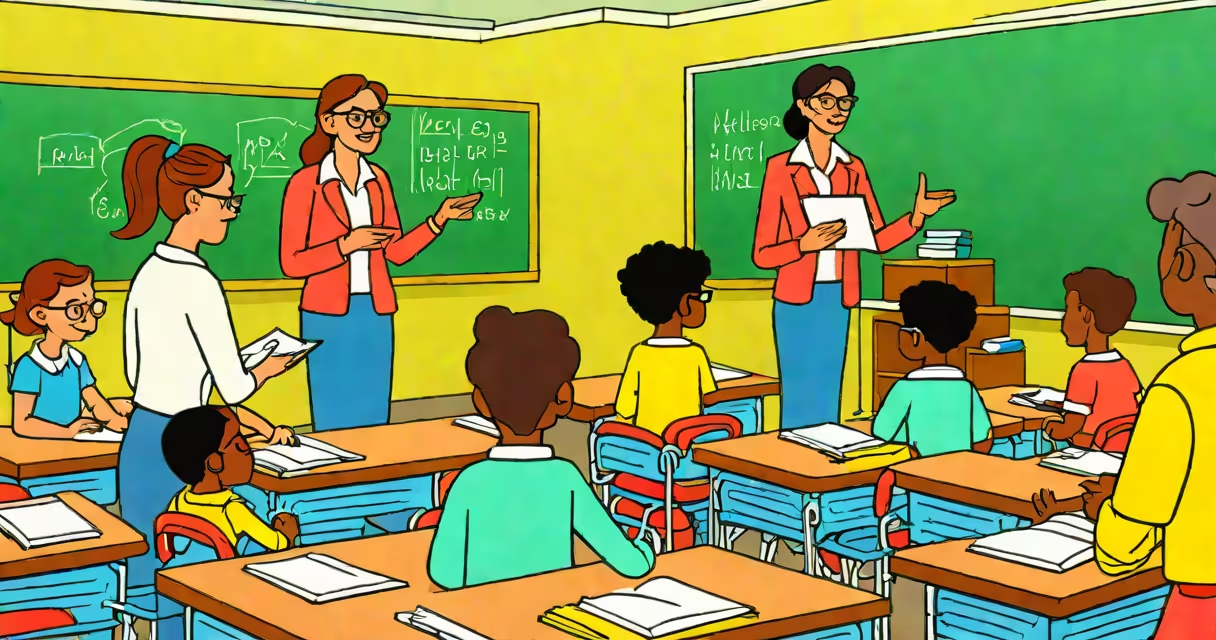
What do we learn refers to the specific knowledge, skills, and competencies that students acquire through formal education. These learning outcomes are carefully designed to prepare individuals for personal growth, career success, and active citizenship.
Learning outcomes are typically categorized into three domains: cognitive, affective, and psychomotor. The cognitive domain involves intellectual activities such as memorizing facts, solving problems, and evaluating information. The affective domain covers attitudes, values, and emotions, while the psychomotor domain focuses on physical skills and coordination.
For example, a biology class might aim to teach students (cognitive) the structure of cells, (affective) an appreciation for biodiversity, and (psychomotor) how to safely handle lab equipment. This structured approach ensures a well-rounded educational experience.
The most common types of learning outcomes include:
Learning outcomes are used in various educational settings, including K-12 schools, colleges, universities, and vocational training programs. They serve as a roadmap for educators, helping them design effective lessons and assessments. For students, learning outcomes provide clarity on what is expected of them and how they can measure their progress.
For instance, a high school math class might have learning outcomes related to solving quadratic equations, interpreting graphs, and applying mathematical concepts to real-life problems. These outcomes guide both teaching and learning, ensuring that students achieve specific competencies by the end of the course.
One common misconception is that learning outcomes are rigid and inflexible. In reality, they are often adaptable to meet the diverse needs of students. Another misconception is that learning outcomes are only about academic achievement. However, they also encompass social, emotional, and physical development.
For example, a physical education class might have learning outcomes related to improving fitness levels, understanding the importance of teamwork, and developing healthy habits. These outcomes go beyond physical skills to include broader life skills.
Consider a biology class where students learn about the human digestive system. The learning outcomes might include understanding the function of each organ in the digestive tract (knowledge-based), analyzing how different foods affect digestion (skill-based), and applying this knowledge to make healthier dietary choices (application-based)., students might develop an appreciation for the complexity of the human body (attitudinal outcome).
By achieving these learning outcomes, students develop practical skills and positive attitudes towards health and wellness.