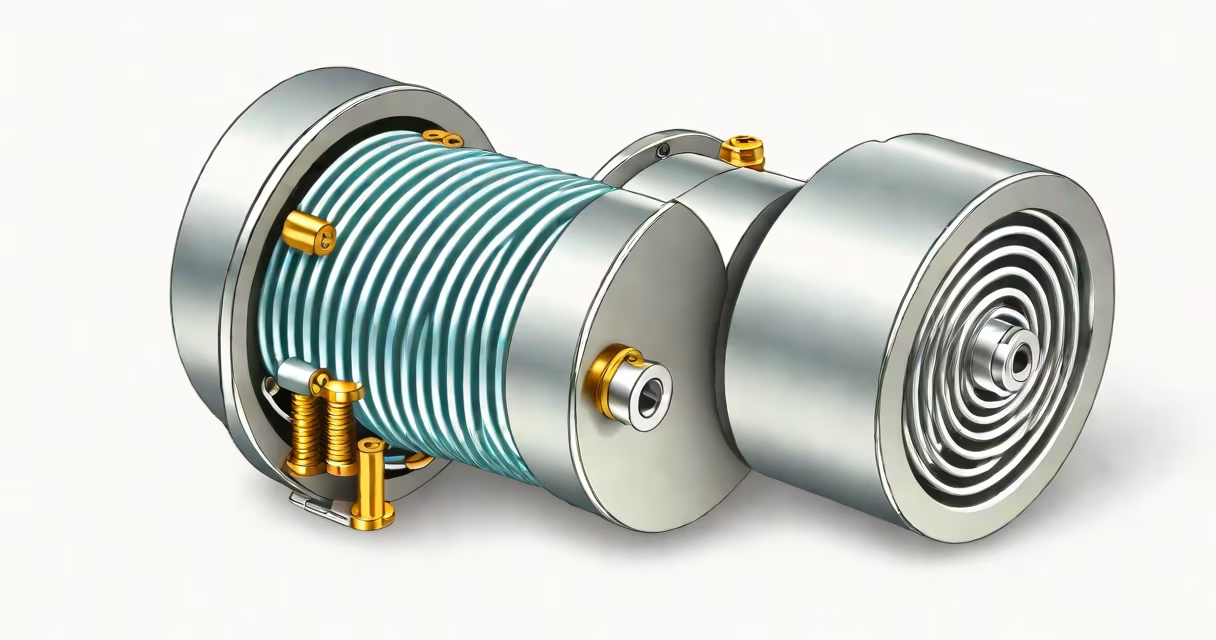
An electromagnet is a device that generates a magnetic field through an electric current passing through a coil of wire wrapped around a metal core, typically iron. Unlike permanent magnets, which retain their magnetism, electromagnets only function when electricity flows through them.
Electromagnets operate on the principle of electromagnetism, where an electric current creates a magnetic field. When current flows through the coiled wire, it produces a magnetic field that magnetizes the metal core. This field disappears once the current stops.
An electromagnet consists of several key parts:
Electromagnets come in various forms, each suited for different applications:
| Type | Description | Common Uses |
|---|---|---|
| Permanent Electromagnet | A hybrid that combines a permanent magnet with an electromagnet to maintain magnetism even when power is off. | Used in some industrial applications where constant magnetism is required. |
| Superconducting Electromagnet | Uses superconducting materials to create extremely strong magnetic fields with minimal energy loss. | Found in MRI machines and particle accelerators. |
| The most common type, which only produces a magnetic field when powered. | Used in scrap yards, doorbells, and hard drives. |
While both electromagnets and permanent magnets produce magnetic fields, they differ. Permanent magnets, such as those made from neodymium or ferrite, retain their magnetism indefinitely. In contrast, electromagnets require a continuous flow of electricity to maintain their magnetic field. This makes electromagnets more versatile for applications requiring controlled activation and deactivation.
For example, electromagnets are used in MRI machines to create detailed images of the body. The strength and control of the magnetic field are important for accurate imaging. Permanent magnets, however, are often used in simpler applications like refrigerator magnets or compasses.
One common misconception is that electromagnets are always large and useful. While some industrial electromagnets are large, many everyday devices use small electromagnets. For instance, the speakers in your headphones contain tiny electromagnets that vibrate to produce sound.
Another myth is that electromagnets are always dangerous due to their strong magnetic fields. While high-powered electromagnets can be hazardous, smaller ones pose minimal risk. Proper safety measures, such as using insulated wires and protective casings, mitigate potential dangers.
I once built a simple electromagnet in a physics class using a nail, some copper wire, and a battery. The nail became strongly magnetic when the current flowed through the wire, demonstrating the principle effectively. This hands-on experience helped me understand the practical applications of electromagnets in everyday life.
Electromagnets are used in many applications, from industrial machinery to medical devices. Some common uses include:
Understanding what an electromagnet looks like involves recognizing its key components and how it functions. From lifting heavy objects in scrap yards to creating detailed medical images, electromagnets play a important role in various industries. Their versatility and controllability make them indispensable in modern technology.