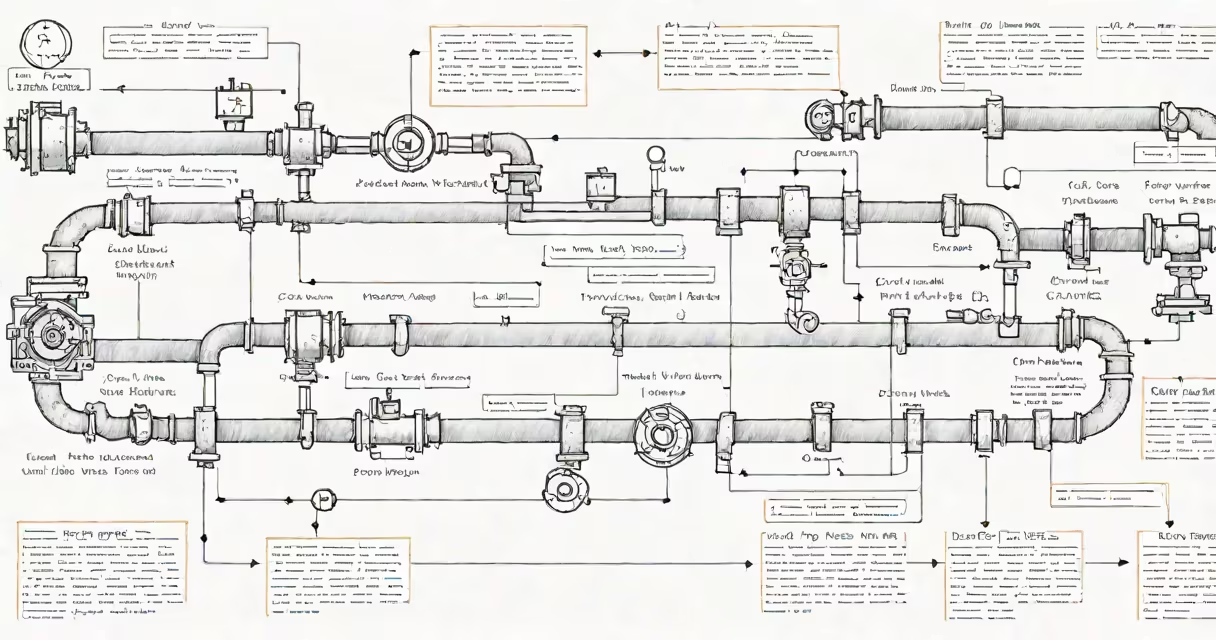
A CI/CD pipeline is an automated software development workflow that integrates code changes frequently, tests them, and deploys applications to production. It combines continuous integration (CI), continuous delivery (CD), and sometimes continuous deployment.
CI/CD pipelines help development teams release software updates faster and with fewer errors. They automate repetitive tasks, allowing developers to focus on writing code rather than managing infrastructure.
When a developer commits code to a repository, the CI/CD pipeline automatically triggers a series of steps:
For example, a team using GitHub Actions might configure a pipeline that builds a Node.js application whenever code is pushed to the main branch, runs unit tests, and deploys the app to a cloud platform like AWS or Heroku.
The key components include:
Many people confuse CI/CD with other concepts or assume it's only for large teams. However, even small projects can benefit from basic automation. Another misconception is that CI/CD eliminates the need for manual testing. While it reduces manual effort, human oversight remains important for complex scenarios.
According to a 2021 DevOps survey, teams using CI/CD pipelines deploy code 46 times more frequently and recover from failures 96 minutes faster than low performers.
CI/CD pipelines improve software quality by catching issues early through automated testing. They reduce manual errors by automating deployments, ensuring consistency across environments., they speed up releases, allowing teams to deliver features to users faster.
For instance, Netflix uses CI/CD to deploy thousands of code changes daily, ensuring smooth updates without downtime. Similarly, smaller startups use CI/CD to stay competitive by rapidly iterating on their products.
While CI/CD pipelines offer significant benefits, they require careful planning and tool selection. Teams must choose tools that integrate well with their existing workflows and provide the necessary flexibility for future growth.