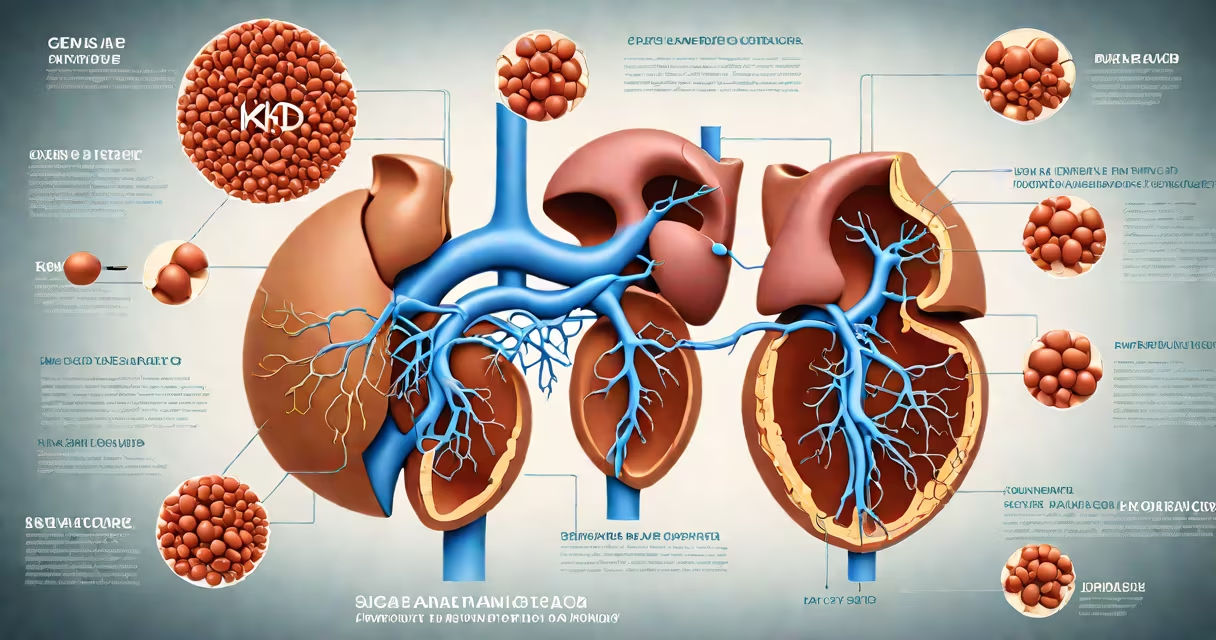
Chronic kidney disease (CKD) stage 4 means your kidneys are severely damaged, with a glomerular filtration rate (GFR) between 15-29 mL/min. This indicates your kidneys are filtering only 15-29% of normal capacity. Without intervention, stage 4 progresses to end-stage kidney disease (ESKD), requiring dialysis or transplant.
Your kidneys filter waste and excess fluids from blood. In stage 4, this process slows. The National Kidney Foundation reports that at this stage, complications like anemia, bone disease, and heart problems become more common due to toxin buildup.
Stage 4 CKD typically stems from two primary causes:
Other causes include glomerulonephritis, polycystic kidney disease, and long-term NSAID use.
Many confuse stage 4 CKD with end-stage kidney disease (ESKD). Stage 4 precedes ESKD (GFR <15 mL/min), giving patients time to prepare for advanced treatments. Another myth is that stage 4 always requires dialysis immediately. Some patients manage symptoms medically for months or years.
I once worked with a patient who controlled stage 4 CKD through strict diet, exercise, and medication adherence. Their GFR stabilized for 18 months before needing dialysis-a rare but possible outcome.
Consider a 62-year-old patient with type 2 diabetes and uncontrolled hypertension. Their GFR drops to 22 mL/min. The doctor prescribes lisinopril (an ACE inhibitor) to lower blood pressure and reduce kidney strain. The patient follows a low-protein, low-sodium diet and monitors potassium intake. Quarterly lab tests track GFR, electrolytes, and albumin levels to adjust treatment as needed.
| Feature | Stage 3 CKD | Stage 4 CKD |
|---|---|---|
| GFR Range | 30-59 mL/min | 15-29 mL/min |
| Symptoms | Mild: fatigue, swelling | Severe: nausea, itching, sleep issues |
| Treatment Focus | Lifestyle changes | Medication + preparation for dialysis/transplant |
See a nephrologist immediately if you experience stage 4 symptoms: persistent nausea, vomiting, extreme fatigue, muscle cramps, or itchy skin. Early intervention can delay dialysis by months or years.
For comparison, stage 3 prostate cancer affects localized tumor growth, while stage 4 CKD impacts whole-body toxin clearance. Both require specialist care but differ in treatment approaches.