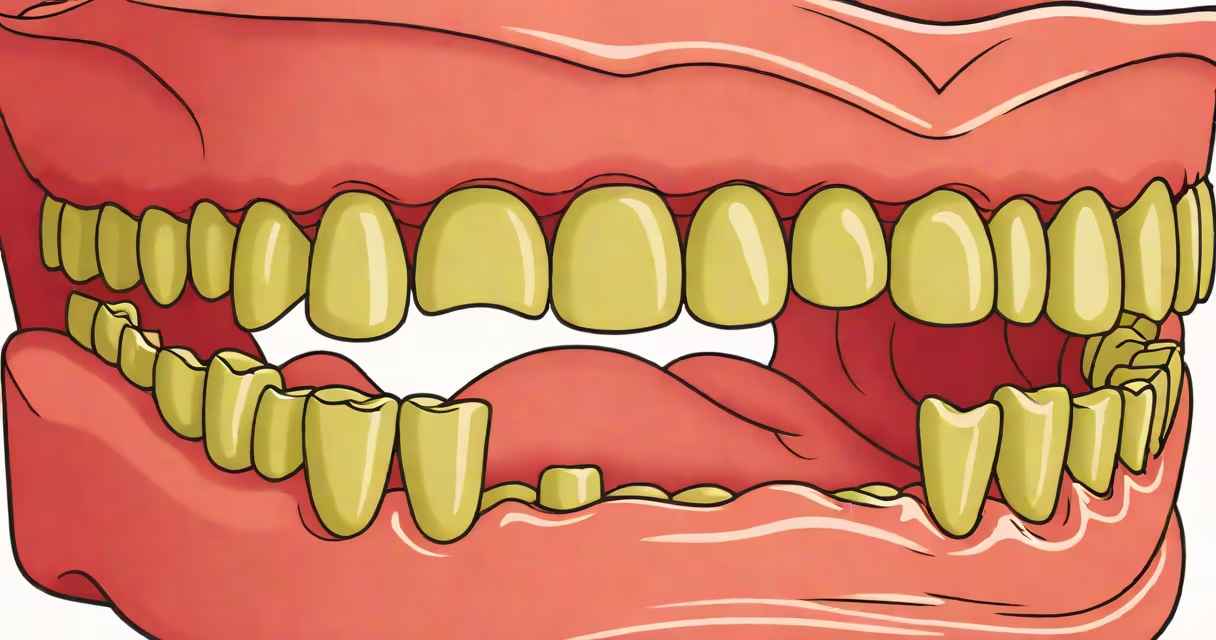
Denture breath typically smells like a combination of stale food particles, bacterial buildup, and sometimes a metallic or chemical odor. The smell often resembles rotting eggs or old meat due to sulfur compounds produced by bacteria.
Denture breath occurs when food debris and bacteria accumulate on dentures, especially overnight. Without natural saliva flow to clean the mouth, bacteria multiply faster, producing volatile sulfur compounds (VSCs) that cause foul odors. Poor denture hygiene worsens the problem.
| Odor Type | Cause | Example |
|---|---|---|
| Rotting Eggs | Sulfur-producing bacteria | Smells like a hard-boiled egg left out too long |
| Old Meat | Protein breakdown | Reminiscent of spoiled chicken |
| Chemical/Medical | Denture adhesive residue | Similar to rubbing alcohol |
To avoid denture breath, clean dentures daily with a soft brush and mild soap. Soak them overnight in water or a denture-cleaning solution. Remove dentures before sleeping to allow gums to breathe. Rinse your mouth with an alcohol-free mouthwash to kill bacteria. Replace dentures every 5-7 years, as worn-out ones harbor more bacteria.
I once helped a relative struggling with persistent bad breath. After noticing their dentures had visible plaque buildup, we started soaking them in vinegar water overnight. Within days, the smell improved. Regular cleaning and proper storage made a noticeable difference.
If denture breath persists despite good hygiene, consult a dentist. Persistent odors may indicate gum disease, infections, or poorly fitting dentures. A dentist can check for underlying issues and recommend adjustments or treatments.
Denture breath is manageable with proper care. By keeping dentures clean and maintaining oral hygiene, you can prevent unpleasant odors and keep your mouth fresh.