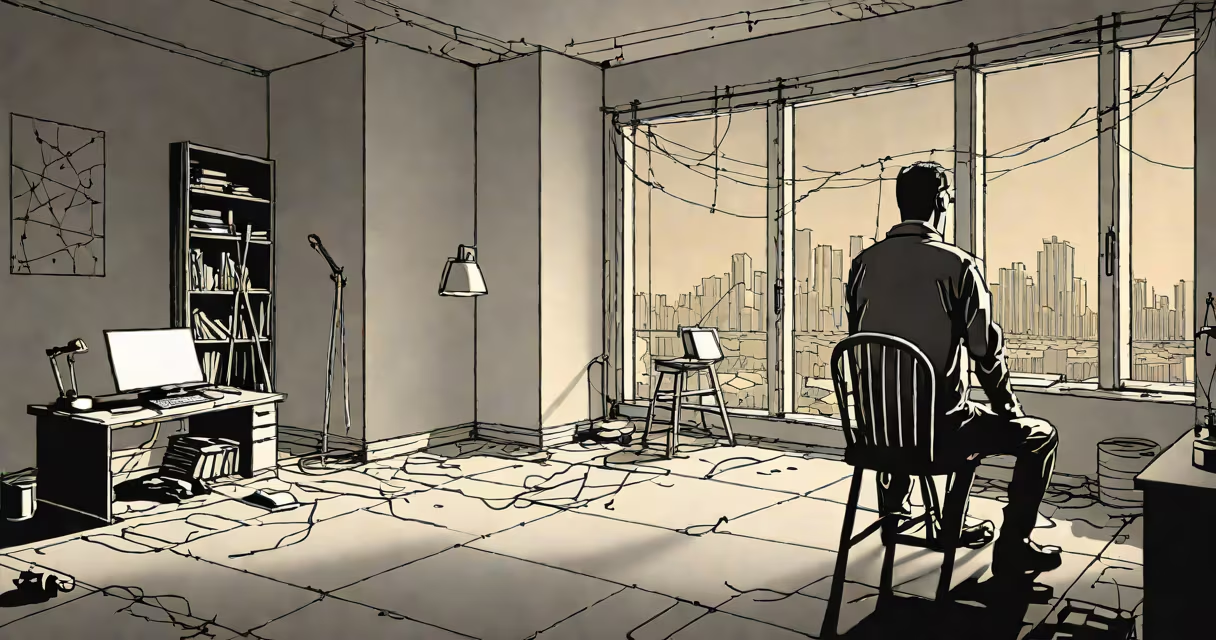
Crippling depression means a severe form of major depressive disorder that makes daily tasks feel impossible. Unlike regular sadness, it persists for weeks or longer and requires professional treatment.
Crippling depression, also called severe depression, is a mental health condition that affects your mood, thoughts, and physical well-being. It goes beyond temporary sadness or grief. The American Psychiatric Association classifies it as a subtype of major depressive disorder (MDD) in the Diagnostic and Statistical Manual of Mental Disorders (DSM-5).
This form of depression creates intense feelings of hopelessness, worthlessness, and exhaustion. It often leads to physical symptoms like changes in appetite, sleep disturbances, and unexplained aches. Unlike normal mood swings, these symptoms last most of the day, nearly every day, for at least two weeks.
Severe depression has several subtypes, each with unique characteristics:
| Type | Key Features |
|---|---|
| Melancholic depression | Loss of pleasure in most activities, significant weight loss, early morning awakening |
| Atypical depression | Mood reactivity, increased appetite, excessive sleeping, sensitivity to rejection |
| Psychotic depression | Delusions, hallucinations, paranoia alongside depressive symptoms |
| Catatonic depression | Extreme withdrawal, mutism, stupor, or agitation |
Crippling depression can affect anyone, regardless of age, gender, or background. It often develops due to a combination of genetic, biological, environmental, and psychological factors. Traumatic events, chronic stress, or imbalances in brain chemistry can trigger episodes.
The National Institute of Mental Health reports that about 7.1% of U.S. adults experience at least one major depressive episode annually. However, severe depression accounts for a smaller subset of these cases. Without treatment, it can lead to serious complications like suicidal thoughts or self-harm.
Many people confuse crippling depression with temporary sadness or grief. While everyone experiences sadness, depression is persistent and interferes with daily functioning. Another misconception is that it's a sign of weakness or something that can be "snap out of." In reality, it's a medical condition requiring professional care.
Some believe only adults experience depression, but children and teens can develop it too. Symptoms may look different, such as irritability, poor school performance, or unexplained physical complaints.
Last year, I volunteered at a local mental health clinic. One patient described their severe depression as "a heavy blanket smothering me every morning." They struggled to get out of bed, lost interest in hobbies they once loved, and felt disconnected from friends and family. After starting therapy and medication, they gradually regained energy and motivation. This experience showed me how debilitating severe depression can be and the importance of seeking help.
If you or someone you know is struggling with severe depression, resources like the National Suicide Prevention Lifeline (988lifeline.org) help. Treatment options include therapy, medication, and lifestyle changes. Early intervention can improve outcomes.