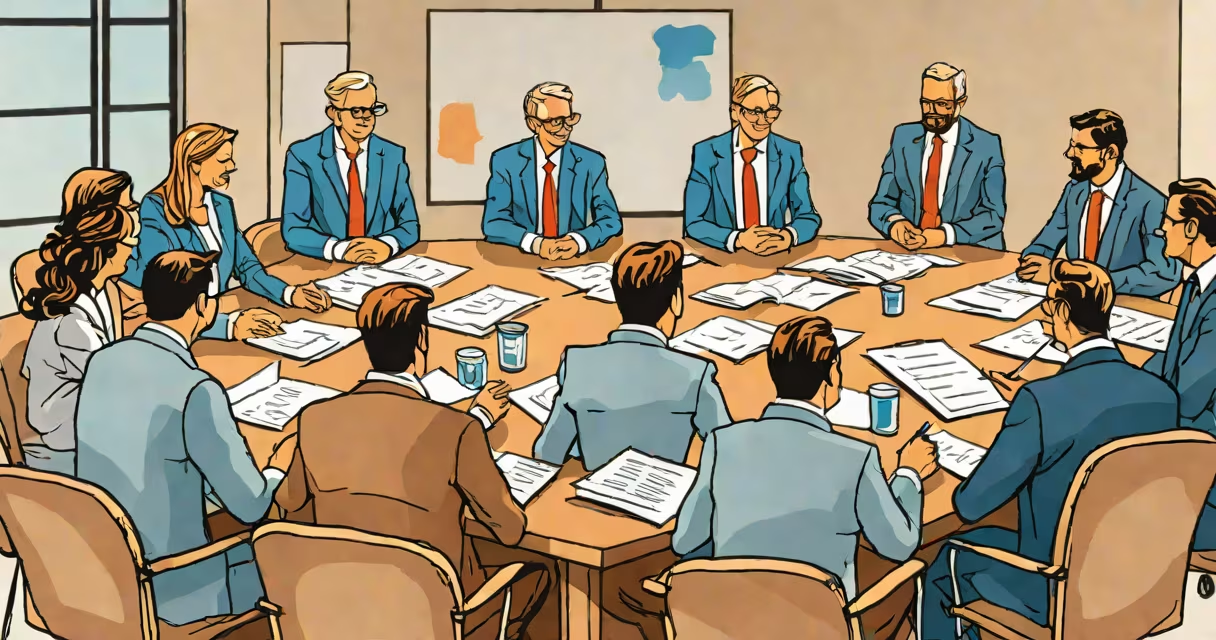
Ethical business practices refer to actions and policies that prioritize fairness, honesty, and respect for stakeholders, ensuring companies operate responsibly while pursuing profit.
Business ethics guide decision-making, from employee treatment to environmental impact. Core principles include transparency, accountability, and compliance with laws. Companies often adopt codes of conduct to outline expectations for behavior.
Ethical businesses integrate moral considerations into daily operations. For example, a company might refuse to cut corners on safety to save costs, even if competitors do. Ethical decisions often involve trade-offs between profitability and doing what's right.
Ethics influence hiring, marketing, and product development. A clothing brand might source materials sustainably, even if cheaper alternatives exist. This approach builds customer trust and long-term loyalty.
Business ethics cover several areas:
Companies with strong ethics build trust with customers, employees, and investors. Unethical behavior can lead to legal penalties, reputational damage, and loss of business. For example, Volkswagen faced severe backlash for its emissions scandal, which involved manipulating vehicle tests.
Ethical businesses attract top talent who want to work for responsible companies. They also tend to have stronger customer loyalty, as consumers increasingly prefer brands that align with their values.
Some believe ethics slow down growth or increase costs. However, ethical practices often lead to long-term success. For instance, Patagonia's commitment to environmental sustainability has strengthened its brand and customer base.
Others assume ethics are optional, but laws like the Sarbanes-Oxley Act require companies to follow strict financial reporting standards. Violations can result in heavy fines and legal consequences.
Ethical expectations vary by business type. Small businesses may focus on community impact, while large corporations must consider global implications. For example, a local café might prioritize fair trade coffee, while a multinational retailer ensures supply chains are free from forced labor.
Ethical business practices ensure companies balance profit with responsibility. By prioritizing fairness, honesty, and respect, businesses build trust and long-term success.