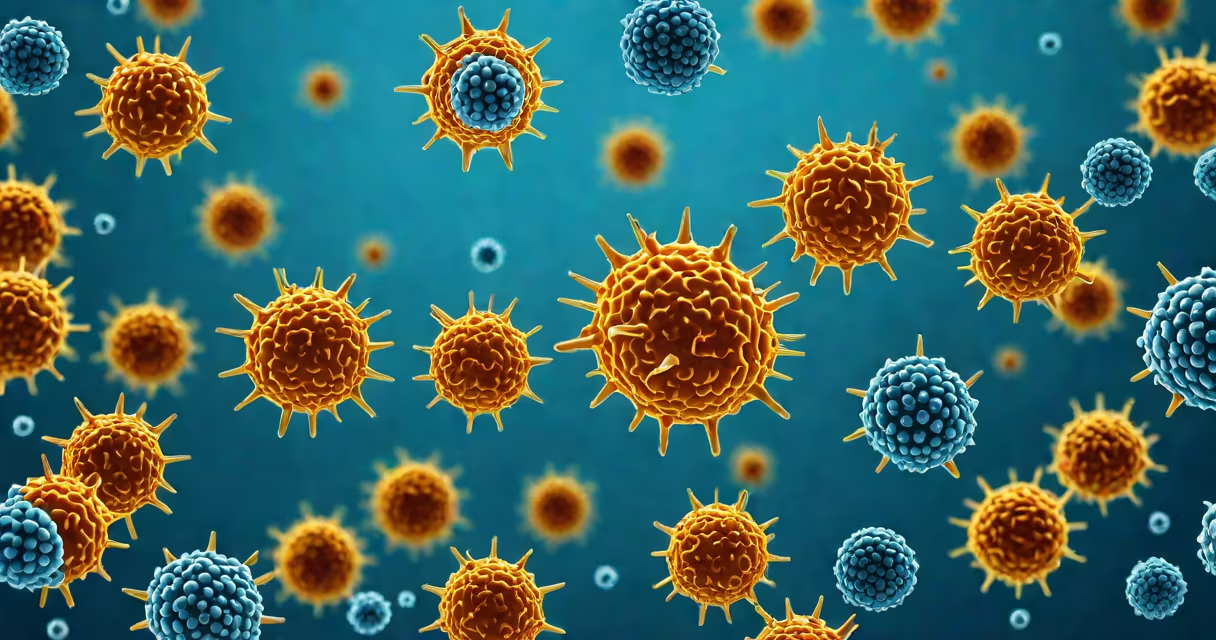
Low immunity means your immune system isn't working well enough to fight off infections effectively. This leaves you more susceptible to illnesses like colds, flu, and other diseases. Your immune system normally protects you by identifying and destroying harmful pathogens like bacteria, viruses, and fungi.
The immune system is a complex network of cells, tissues, and organs. It includes white blood cells, antibodies, the lymph nodes, spleen, and bone marrow. When functioning properly, it recognizes foreign invaders and mounts a defense. With low immunity, this process is impaired, making it harder to recover from infections or stay healthy.
Immune deficiencies can be primary (genetic) or secondary (acquired). Primary immunodeficiencies are rare and present from birth. Secondary immunodeficiencies develop later due to factors like:
Common signs include frequent infections, slow healing, fatigue, and digestive issues. For example, if you catch colds often or have persistent infections, your immune system may be weakened. Chronic conditions like diabetes can also contribute to low immunity by affecting how your body responds to infections.
Many people think low immunity only affects those with serious illnesses. However, even minor factors like poor sleep, stress, or a bad diet can weaken your immune response. According to the National Institutes of Health, lifestyle choices play a significant role in maintaining a healthy immune system.
Improving immunity involves a combination of good nutrition, regular exercise, adequate sleep, and stress management. Eating a balanced diet rich in fruits, vegetables, and lean proteins provides essential vitamins and minerals. Regular exercise boosts circulation, helping immune cells move freely throughout the body. Getting enough sleep allows your body to repair and regenerate cells. Managing stress through meditation, yoga, or other relaxation techniques can also support immune function.
If you suspect you have low immunity, consult a healthcare provider. They can run tests to assess your immune function and recommend treatments or lifestyle changes. Understanding what does immunity to hepatitis B mean or what does it mean to have low creatinine can also provide insights into how different factors affect your health.