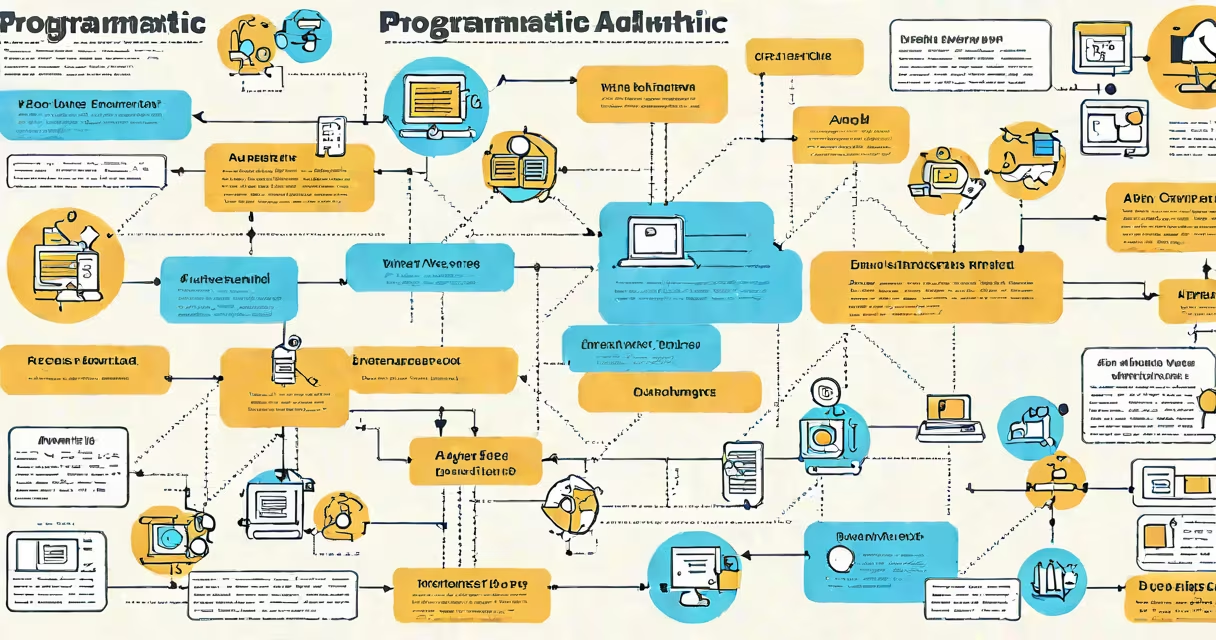
Programmatic advertising is the automated buying and selling of digital ads using software platforms and algorithms instead of manual negotiations. This process happens in milliseconds during web page loads.
When you visit a website, several things happen simultaneously:
This entire process - called real-time bidding (RTB) - takes less than 100 milliseconds.
The programmatic system involves several key players and technologies:
| Component | Description |
|---|---|
| Demand-Side Platform (DSP) | Software used by advertisers to buy ad impressions |
| Supply-Side Platform (SSP) | Software used by publishers to sell ad impressions |
| Ad Exchange | Neutral marketplace connecting DSPs and SSPs |
| Data Management Platform (DMP) | Collects and organizes audience data for targeting |
| Ad Server | Stores and delivers creative ad content |
Programmatic advertising offers several advantages over traditional methods:
According to eMarketer, programmatic advertising accounted for 88% of all digital display ad spending in the U.S. in 2021.
Many people confuse programmatic advertising with other digital marketing concepts:
1. It's not the same as social media advertising, which uses platform-specific tools
2. It's not exclusively for display ads - video, audio, and native ads can also be bought programmatically
3. It doesn't replace creative work - advertisers still need compelling ad creatives
One common mistake is assuming programmatic advertising only benefits large brands with big budgets. In reality, small businesses can use it effectively through self-service platforms like Google Ads.
Imagine you run an online shoe store targeting women aged 25-34 who recently searched for running shoes. Using programmatic advertising:
This targeted approach increases the likelihood of conversion while optimizing your ad spend.