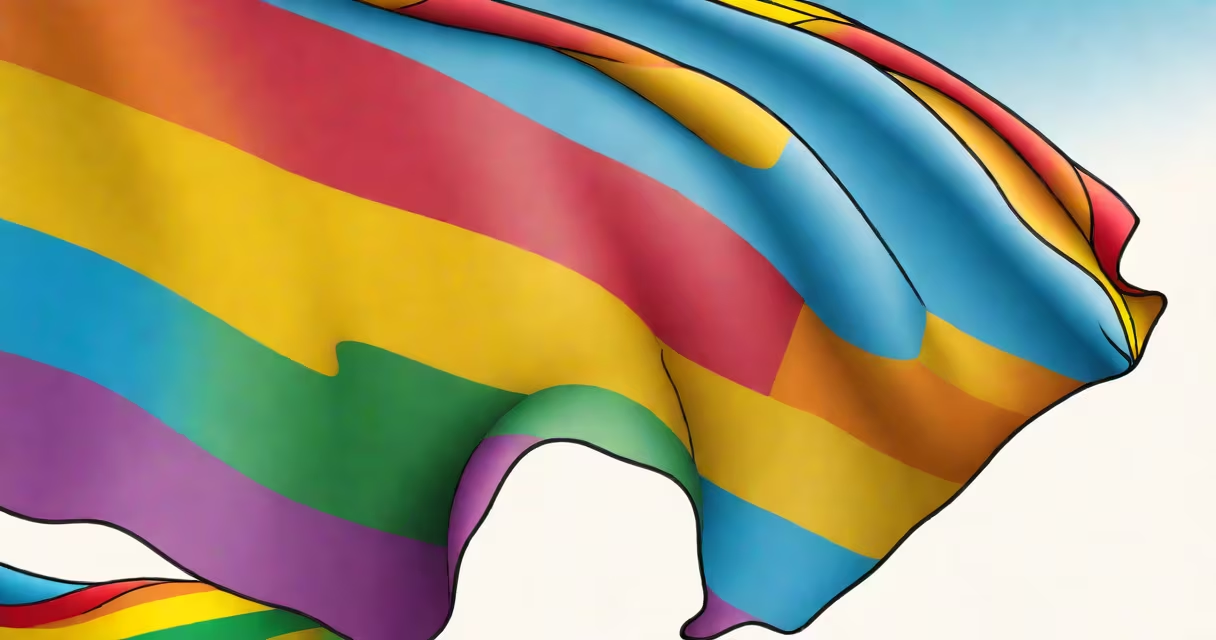
Pride is a deeply personal feeling of self-respect and dignity, often tied to achievements, identity, or community. For many, it represents acceptance and celebration of who they are.
Pride begins with self-acceptance. It grows through experiences that affirm your worth, whether personal accomplishments or support from others. For LGBTQ+ individuals, pride often involves reclaiming identity in the face of discrimination.
| Type | Description | Example |
|---|---|---|
| Personal Pride | Feeling proud of your actions or qualities | Completing a difficult project |
| Collective Pride | Sharing pride with a group or community | Celebrating LGBTQ+ Pride Month |
| Cultural Pride | Taking pride in your heritage or traditions | Participating in cultural festivals |
Pride is expressed in many ways. Individuals might celebrate personal milestones, while communities organize events like parades or rallies. For LGBTQ+ people, pride is both a protest against oppression and a celebration of visibility.
Some confuse pride with arrogance, but true pride is rooted in humility and respect. It's not about superiority but about embracing your identity and achievements without shame. Another misconception is that pride is only relevant during specific months or events-it's a year-round feeling for many.
Last year, I attended a local pride event. Seeing the diversity and joy was useful. It reminded me that pride isn't just about individual feelings-it's about creating safe spaces for everyone to be themselves.
The modern LGBTQ+ pride movement traces back to the Stonewall riots of 1969, a series of protests against police harassment. The first pride march was held in 1970, marking the start of an annual tradition. Today, pride events are held worldwide, celebrating LGBTQ+ rights and culture.
According to the LGBTQIA Resource Center, pride events have grown, with millions participating globally each year. These events serve as both celebrations and calls for continued progress in equality.
Pride is also reflected in language. Using they/them pronouns or other gender-neutral terms can be an act of pride for non-binary individuals. Similarly, reclaiming slurs or using affirming language is part of the pride movement.
Supporting pride means listening to and amplifying marginalized voices. Attend pride events, educate yourself on LGBTQ+ issues, and advocate for inclusive policies. Small actions, like using correct pronouns or standing up against discrimination, make a big difference.
For those questioning their identity, pride can be a process. It's okay to take time to understand what pride means to you personally. Resources like the Trevor Project help for LGBTQ+ youth.
Pride is a deeply personal and collective experience. Whether it's celebrating personal achievements or standing with a community, pride means embracing who you are without fear. It's a useful force for self-respect and social change.