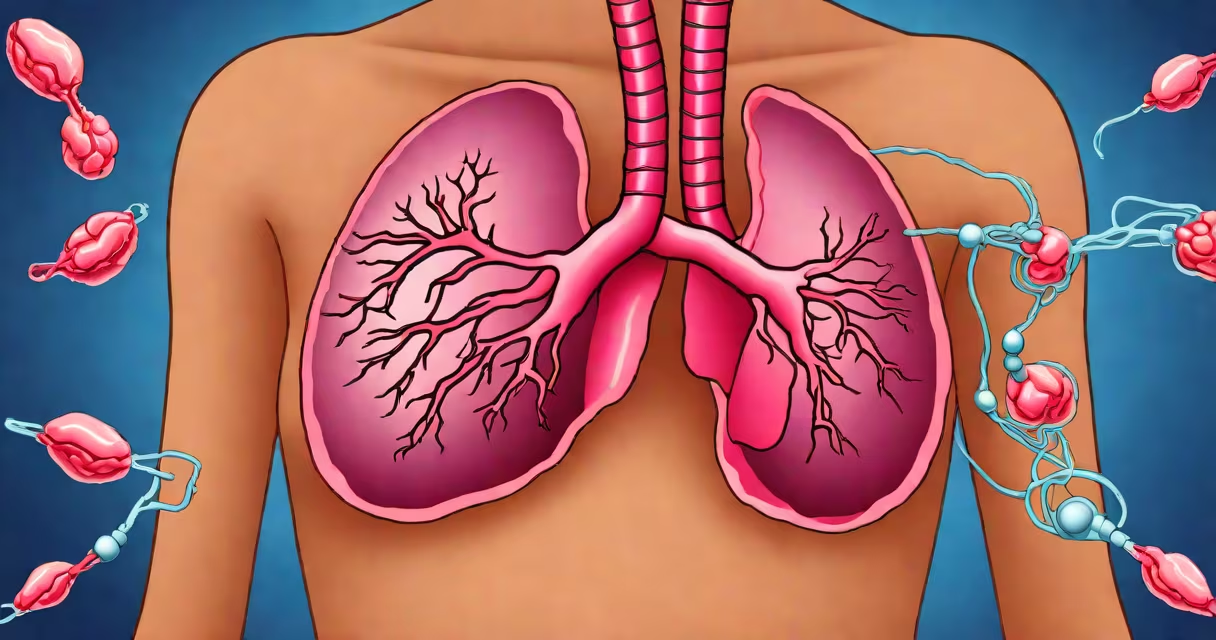
Stage 4 breast cancer, or metastatic breast cancer, occurs when cancer cells spread beyond the breast and nearby lymph nodes to other organs like the bones, liver, brain, or lungs. This advanced stage cannot be cured but can often be controlled.
Cancer cells break away from the original tumor and travel through the bloodstream or lymphatic system. They then form new tumors in other parts of the body. About 6% of people have metastatic breast cancer at diagnosis, while others develop it after earlier-stage treatment.
| Type | Description |
|---|---|
| De novo metastatic | Cancer is already metastatic at diagnosis |
| Recurrent metastatic | Returns after treatment for earlier-stage cancer |
Symptoms depend on where cancer has spread:
A common misconception is that stage 4 breast cancer always causes visible lumps. Many people have internal metastases without external signs.
Doctors use imaging tests like CT scans, PET scans, or MRIs to locate metastases. Biopsies confirm cancer type and guide treatment. The American Cancer Society notes that about 281,550 new cases of invasive breast cancer are expected in 2024.
Treatment focuses on controlling growth and managing symptoms. Options include:
I've seen firsthand how personalized treatment plans can improve quality of life for stage 4 patients. Each case requires careful consideration of tumor characteristics and patient preferences.
The National Cancer Institute reports a 5-year relative survival rate of about 28% for stage 4 breast cancer. However, many people live for years with proper treatment and management.
Supportive care addresses physical and emotional needs. Palliative care teams help manage pain, fatigue, and other symptoms. Clinical trials offer access to new treatments.
While stage 4 breast cancer presents significant challenges, advances in treatment continue to improve outcomes and quality of life for patients. Understanding the disease and available options remains important for effective management.