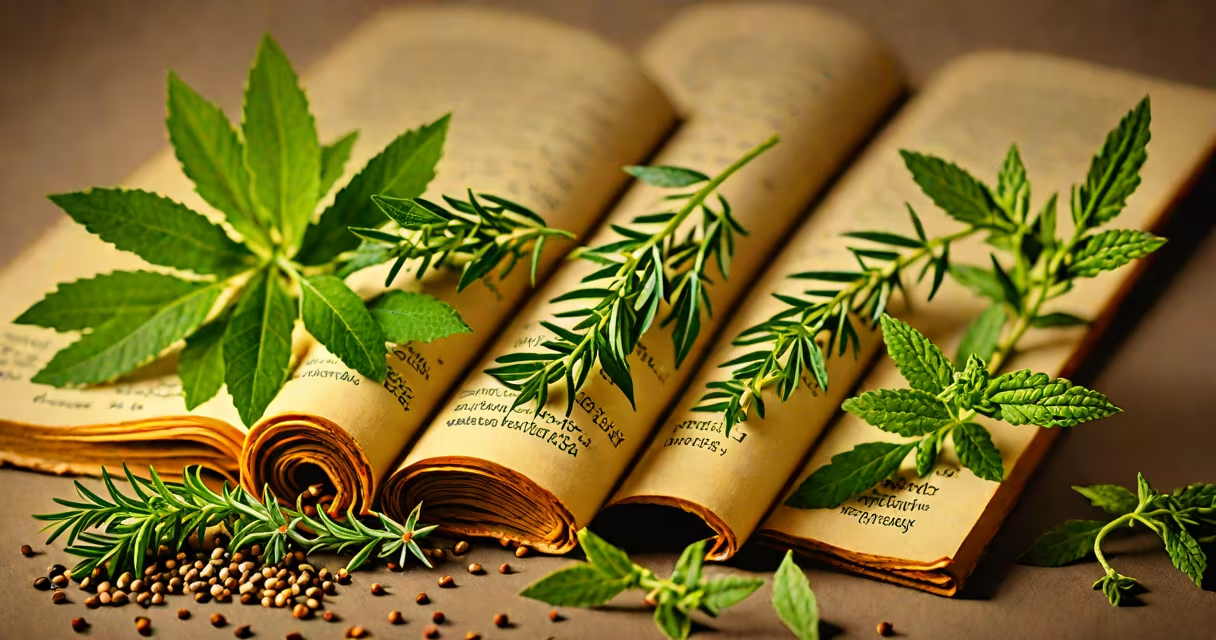
The Bible mentions over 100 plants, including medicinal herbs like hyssop, myrrh, and frankincense, which were used for healing and spiritual rituals. These references provide both practical and symbolic guidance on the role of plants in biblical times.
The Bible contains numerous references to herbs and plants, often highlighting their medicinal properties. For example, John 19:29 describes how a sponge soaked in vinegar was offered to Jesus on a hyssop branch. Similarly, Genesis 37:25 mentions myrrh, a resin used for its therapeutic benefits.
Many herbs mentioned in the Bible were used for healing purposes. Hyssop, for instance, was believed to have antiseptic properties and was used in purification rituals. Myrrh, another commonly referenced herb, was used to treat various ailments, including wounds and digestive issues. Frankincense, often associated with worship, also had medicinal uses, such as relieving pain and reducing inflammation.
According to the National Center for Biotechnology Information, these herbs were held spiritual significance. They were often used in rituals and offerings, symbolizing purity and devotion.
The Bible frequently uses plants as symbols of spiritual concepts. For example, the mustard seed in Matthew 13:31-32 represents the kingdom of heaven, emphasizing growth and transformation. Similarly, the olive branch in Genesis 8:11 symbolizes peace and renewal.
One common misconception is that all herbs mentioned in the Bible were solely for medicinal purposes. While many had healing properties, they also played important roles in religious ceremonies and daily life. For instance, spices like cinnamon and cassia were used in the anointing oil described in Exodus 30:23-25, highlighting their spiritual importance.
Understanding the biblical references to herbs can provide insights into natural healing methods and spiritual practices. Many of these herbs are still used today in traditional medicine and aromatherapy. For example, frankincense is often used in essential oils for its calming effects, while myrrh is used in some modern medicinal preparations.
I once visited a botanical garden that featured a section dedicated to biblical plants. Seeing these herbs in person gave me a deeper appreciation for their historical and spiritual significance. It was fascinating to learn how these ancient remedies are still relevant today.