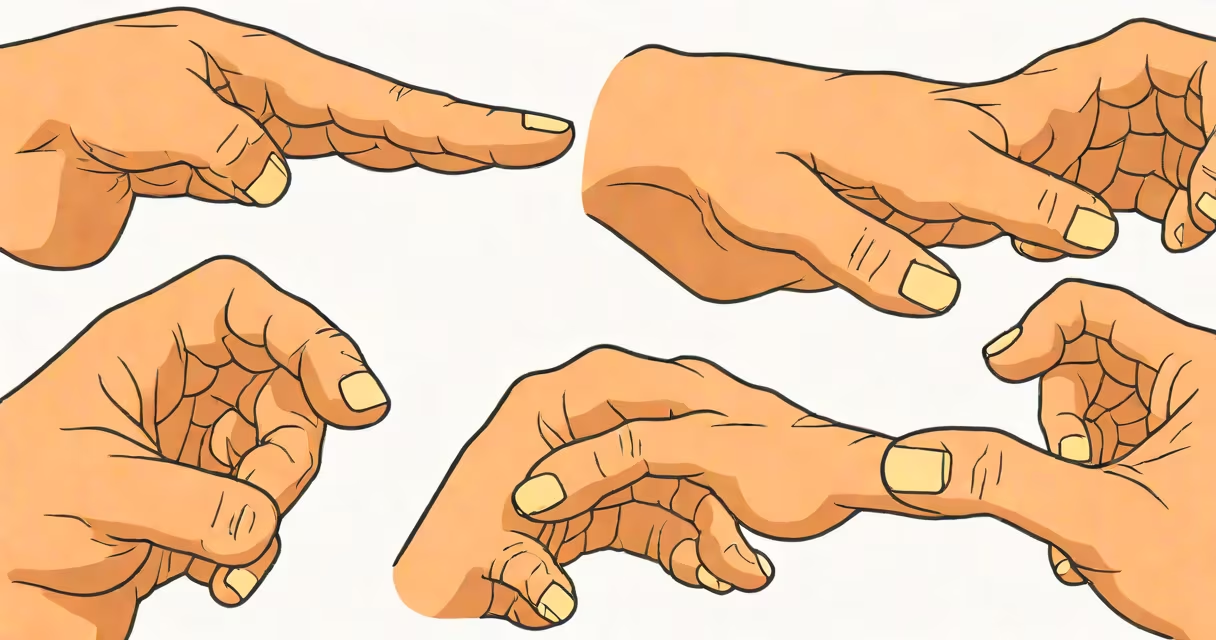
Trigger thumb is a condition where the thumb becomes locked in a bent position and snaps straight when extended, often causing pain and swelling. It occurs due to inflammation or thickening of the tendons and their sheaths in the thumb.
The thumb has tendons that help it bend and straighten. These tendons pass through a tunnel-like structure called a sheath. In trigger thumb, the tendon becomes inflamed or thickened, making it hard to slide smoothly through the sheath. This causes the thumb to catch or lock in a bent position and then suddenly pop straight-a motion known as triggering.
Trigger thumb is most common in adults between 40 and 60 years old, particularly those with diabetes or rheumatoid arthritis. It can also occur in children, where it's often called pediatric trigger thumb. The exact cause is unknown, but repetitive gripping or forceful use of the thumb may contribute.
The most noticeable sign of trigger thumb is a visible nodule or swelling at the base of the thumb. When trying to straighten the thumb, it may:
In severe cases, the thumb may remain permanently bent even when not in use.
Trigger thumb is often confused with arthritis or carpal tunnel syndrome. Unlike arthritis, which causes generalized joint pain, trigger thumb specifically affects the thumb's movement. Carpal tunnel syndrome involves nerve compression in the wrist, leading to numbness and tingling, whereas trigger thumb is a tendon issue.
Mild cases may improve with rest, splinting, or anti-inflammatory medications. Severe cases often require surgery to release the constricted tendon. To prevent trigger thumb, avoid repetitive gripping tasks and use proper ergonomics when typing or performing manual labor.
If you suspect trigger thumb, consult a healthcare provider for an accurate diagnosis and treatment plan. Early intervention can prevent long-term damage and improve thumb function.