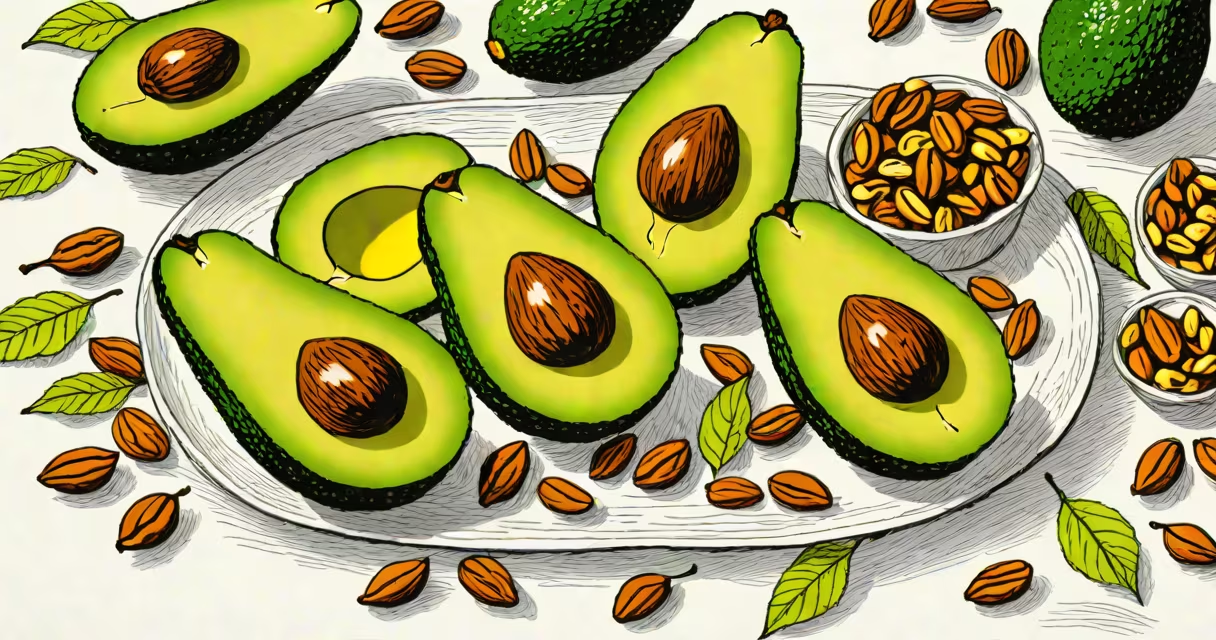
Unsaturated fat improves heart health by lowering LDL cholesterol and reducing inflammation. Unlike saturated fats, it remains liquid at room temperature.
Unsaturated fats are essential fats your body can't produce on its own. They play key roles in cell membranes, hormone production, and nutrient absorption. The body absorbs them through the digestive system, then transports them via lymph and blood to cells.
Unlike saturated fats, unsaturated fats don't harden at room temperature. This structure helps them regulate cholesterol levels by reducing low-density lipoprotein (LDL) cholesterol, often called "bad" cholesterol. They also increase high-density lipoprotein (HDL) cholesterol, the "good" kind.
Unsaturated fats fall into two categories: monounsaturated and polyunsaturated fats.
| Type | Sources | Key Benefits |
|---|---|---|
| Monounsaturated fats | Olive oil, avocados, nuts | Lower heart disease risk, reduce inflammation |
| Polyunsaturated fats | Fatty fish, flaxseeds, walnuts | Support brain function, lower triglycerides |
Polyunsaturated fats include omega-3 and omega-6 fatty acids. Omega-3s, found in fatty fish like salmon and mackerel, support brain health and reduce inflammation. Omega-6s, common in vegetable oils, help with skin health and metabolism.
The American Heart Association recommends replacing saturated fats with unsaturated fats to improve heart health. A study published in the journal Circulation found that replacing saturated fats with unsaturated fats reduced heart disease risk by 30%.
Unsaturated fats also play a role in managing weight. Research from the Harvard School of Public Health shows they help regulate appetite and promote feelings of fullness, which can prevent overeating.
Many people think all fats are bad for you, but unsaturated fats are necessary for good health. Others assume that because they're healthy, you can eat them in unlimited amounts. However, even healthy fats contain calories, so moderation is key.
Another mistake is assuming that all plant-based oils are healthy. While olive oil and avocado oil are rich in unsaturated fats, some plant-based oils like palm oil contain high levels of saturated fats.
I replaced butter with olive oil in my cooking and saw improvements in my cholesterol levels within three months. My LDL cholesterol dropped by 15 points, and my HDL cholesterol increased by 5 points. I also noticed better digestion and more stable energy levels throughout the day.
To incorporate more unsaturated fats into your diet, swap butter for avocado on toast, use olive oil instead of vegetable shortening, and snack on almonds or walnuts instead of chips. These small changes can make a big difference in your health.