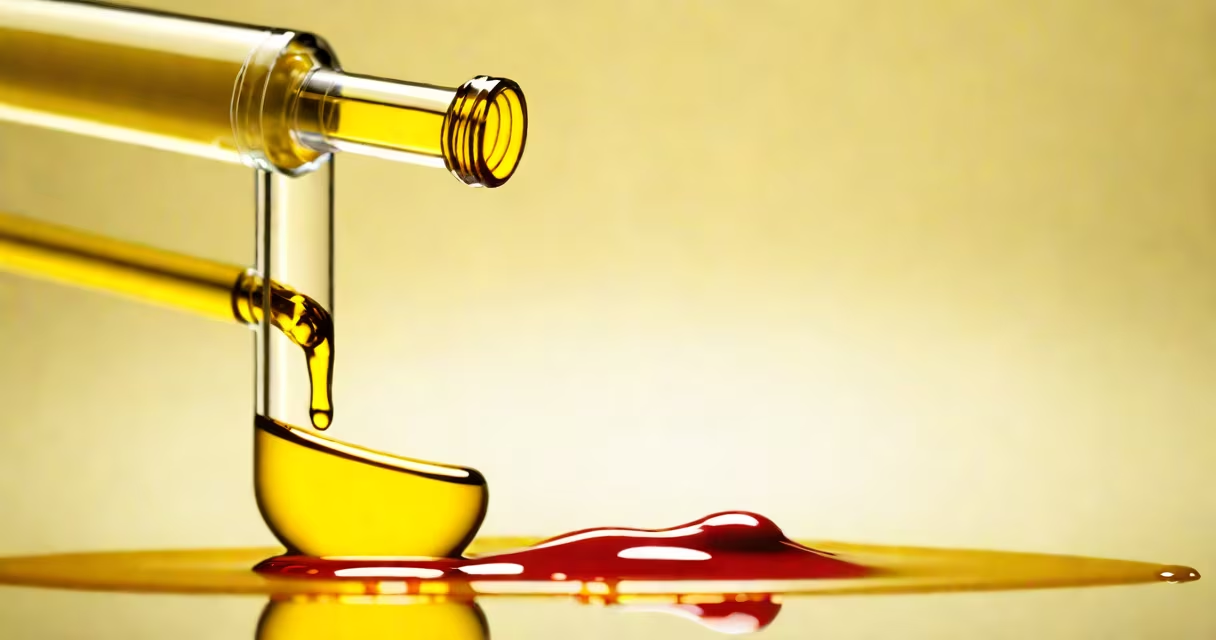
Yellow blood typically indicates the presence of bilirubin, a yellow-orange pigment produced during the normal breakdown of red blood cells. While small amounts are normal, excessive bilirubin may signal liver problems, hemolytic anemia, or other conditions.
Normally, blood appears red due to hemoglobin, the protein that carries oxygen. When red blood cells die, hemoglobin breaks down into bilirubin. The liver processes bilirubin, but if production exceeds the liver's capacity, bilirubin accumulates, turning blood yellowish. This is most noticeable in bodily fluids like urine or stool, but can also affect blood samples.
| Cause | Description | Severity |
|---|---|---|
| Jaundice | Liver overload causes bilirubin buildup | Moderate to severe |
| Hemolytic Anemia | Premature red blood cell destruction | Moderate to severe |
| Dietary Factors | Foods like turmeric or carrots | Harmless |
| Medications | Certain drugs affect bilirubin processing | Varies |
While dietary factors may cause temporary yellowing, persistent yellow blood often warrants medical evaluation. According to the Mayo Clinic, symptoms like abdominal pain, dark urine, or pale stools alongside yellow blood require immediate attention. These may indicate liver disease, gallstones, or other serious conditions.
I once noticed slightly yellow-tinged blood during a routine blood draw. My doctor ordered follow-up tests, which revealed elevated bilirubin levels due to a mild liver enzyme fluctuation-likely from a recent medication change. Monitoring resolved the issue without treatment.
Another misconception is that yellow blood always signals severe illness. While it can indicate problems like hemolytic anemia, harmless factors like diet or medications often play a role. The Cleveland Clinic notes that mild cases may resolve without intervention.
Doctors diagnose the underlying cause through blood tests measuring bilirubin levels, liver function tests, and sometimes imaging. Treatment targets the root cause-whether it's adjusting medications, managing liver conditions, or addressing dietary triggers. In severe cases, therapies like phototherapy or blood transfusions may be necessary.
For example, a patient with Gilbert syndrome-a mild bilateral condition causing occasional bilirubin spikes-might need only lifestyle adjustments. However, someone with obstructive jaundice from gallstones would require different interventions.
While not all cases are preventable, maintaining liver health through balanced diets, moderate alcohol consumption, and avoiding hepatotoxic medications can reduce risks. Regular check-ups help monitor bilirubin levels, especially for those with known liver conditions or hemolytic disorders.