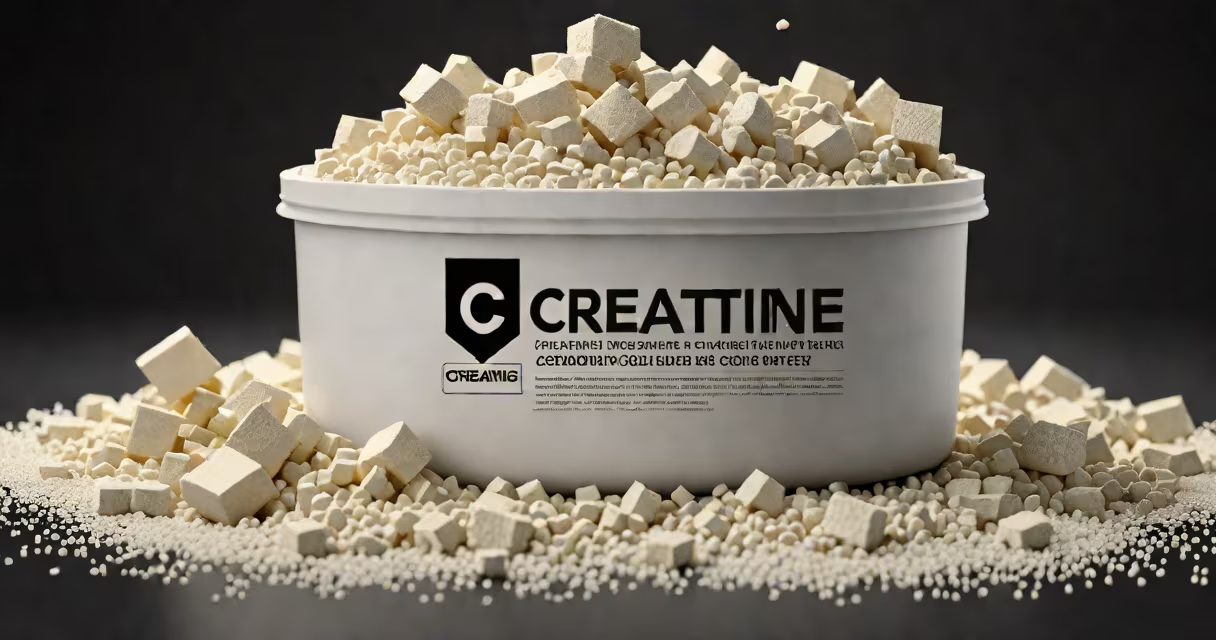
Creatine improves muscle strength, power output, and recovery time during high-intensity exercise. These effects stem from its role in ATP regeneration, the body's primary energy currency.
Creatine is a nitrogenous compound produced naturally by the liver, kidneys, and pancreas. It's stored primarily in skeletal muscle as phosphocreatine, which helps replenish ATP during short bursts of intense activity.
When you supplement with creatine, you increase your body's phosphocreatine stores, allowing for longer periods of high-intensity effort before fatigue sets in. This is why creatine is popular among athletes and fitness enthusiasts.
The most common form of creatine supplement is creatine monohydrate, which has been extensively studied and proven effective. Other forms, such as creatine hydrochloride (HCL) and buffered creatine, claim better absorption or fewer side effects, but research supporting these claims is limited.
Creatine monohydrate is typically taken in doses of 3-5 grams per day. Loading phases (20 grams per day for 5-7 days) are sometimes recommended to saturate muscle stores quickly, but this step isn't strictly necessary.
Creatine is widely used to improve athletic performance, particularly in activities requiring short bursts of energy, such as weightlifting, sprinting, and high-intensity interval training (HIIT). Studies show it can increase strength by 5-15% and improve power output by 5-10%.
Beyond athletics, creatine may support brain health by improving cognitive function in older adults and reducing symptoms of neurological disorders like Parkinson's and Alzheimer's. Some research suggests it could also aid muscle recovery and reduce fatigue in aging populations.
Creatine is generally safe, but some users report mild side effects like stomach discomfort, nausea, or diarrhea, usually due to excessive doses. Contrary to popular belief, creatine does not cause dehydration or kidney damage in healthy individuals when taken at recommended doses.
One often-overlooked effect is water retention within muscle cells, which can lead to temporary weight gain. This is not fat gain but rather increased intracellular fluid, which may contribute to the muscle-full appearance many users notice.
I tested creatine monohydrate for six weeks while following a strength-training program. After the loading phase, I noticed improved endurance during workouts, allowing me to complete an extra set or two before reaching failure. My 1-rep max in the bench press increased by 10 pounds, though individual results may vary based on diet, training intensity, and genetics.
For those considering creatine, start with a lower dose (3-5 grams daily) and monitor how your body responds. Consulting a healthcare provider is advisable, especially if you have pre-existing kidney conditions.