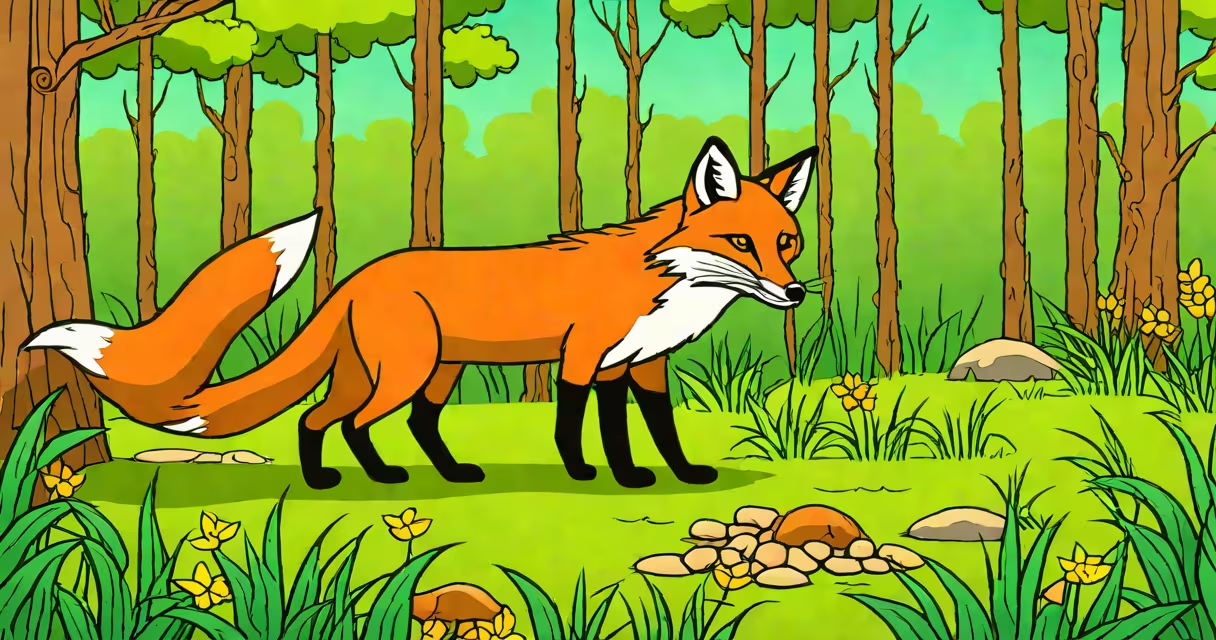
Foxes have several natural predators, including larger mammals, birds of prey, and even other foxes. These predators play a important role in maintaining ecological balance.
While foxes are skilled hunters themselves, they fall prey to various animals. The most common predators include:
Foxes also face threats from other animals and environmental factors. For instance, domestic dogs can attack foxes, especially in urban areas., humans pose a significant threat through hunting, habitat destruction, and road accidents.
Foxes are omnivores, feeding on small mammals, birds, insects, fruits, and vegetables. However, their role as prey is equally important. According to the International Union for Conservation of Nature (IUCN), foxes help control populations of smaller animals, and their presence as prey supports the health of larger predator populations.
Foxes have developed several strategies to avoid predation. They are primarily nocturnal, using the cover of darkness to move around safely. Foxes also dig extensive burrow systems, known as dens, which provide protection for themselves and their young. Some species, like the Arctic fox, blend into their surroundings with seasonal color changes.
Human activities impact fox populations. Urbanization leads to habitat loss, while hunting and trapping reduce numbers. Conversely, some human activities benefit foxes. For example, the expansion of suburban areas provides new food sources and shelter. According to a study published in the journal Urban Ecosystems, red foxes have adapted well to urban environments, often thriving in cities.
Understanding what eats foxes provides insight into the complex dynamics of ecosystems. Predators help control fox populations, ensuring a balanced environment. At the same time, foxes contribute to the health of their ecosystems by preying on smaller animals and serving as prey for larger predators.