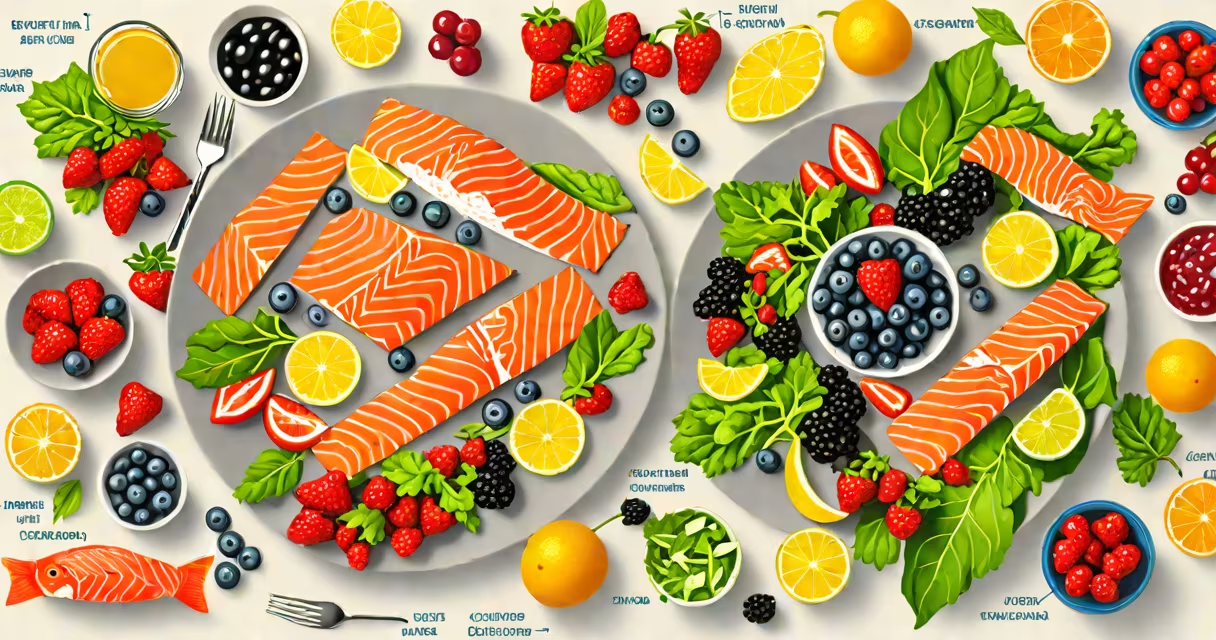
Weight loss occurs when your body burns more calories than it consumes. Certain foods support this process by boosting metabolism, reducing hunger, and providing essential nutrients.
Foods that aid in weight loss share key characteristics: they're nutrient-dense, high in protein or fiber, and low in empty calories. These traits help regulate blood sugar, prevent overeating, and promote satiety. For example, a study published in the American Journal of Clinical Nutrition found that diets rich in protein can increase calorie burning by up to 80-100 calories per day.
The most effective foods for weight loss fall into four categories:
For instance, broccoli contains only 31 calories per cup but provides 116% of the daily recommended intake of vitamin C.
Many believe that drastic calorie restriction or extreme diets are necessary for weight loss. However, sustainable weight loss relies on consistent, healthy eating habits rather than short-term fixes. For example, skipping meals often leads to overeating later in the day. Instead, focus on portion control and mindful eating.
Another myth is that all fats should be avoided. Healthy fats, like those in avocados and nuts, are essential for hormone regulation and satiety. A study in the Journal of the American Heart Association found that replacing saturated fats with unsaturated fats reduced abdominal fat by 7% over six months.
Consider a lunch consisting of grilled salmon, quinoa, and steamed broccoli. This meal provides:
This combination keeps you energized while promoting fat loss. Pairing it with a side salad of mixed greens and lemon juice further enhances digestion and nutrient absorption.