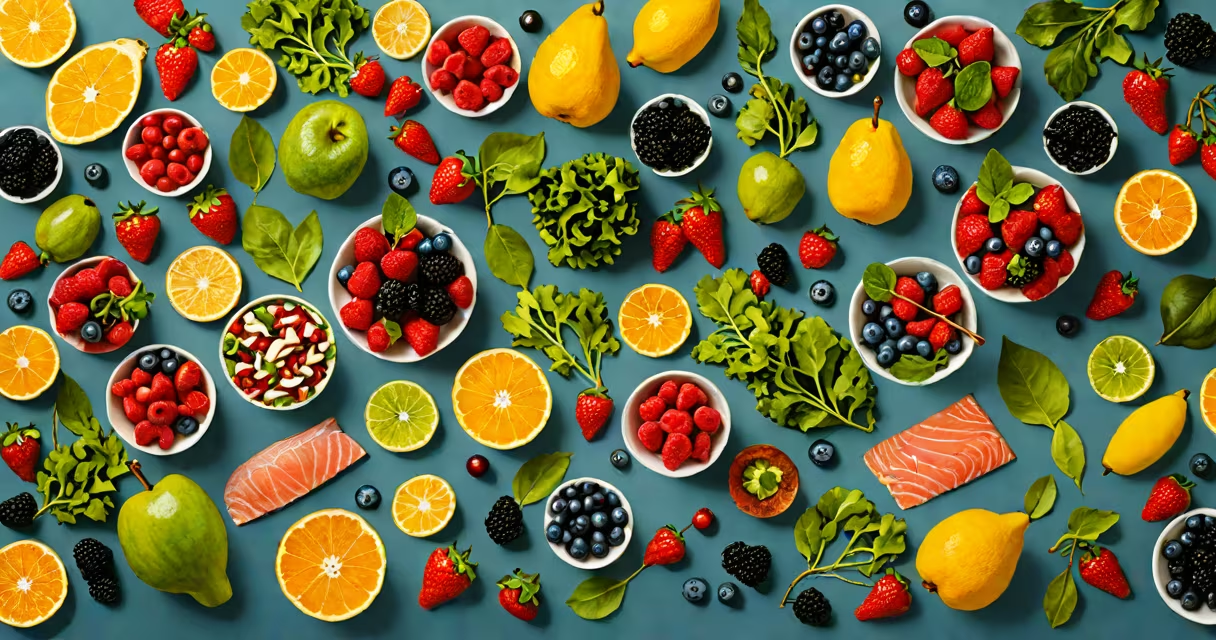
Anti-inflammatory foods are whole, nutrient-rich foods that help reduce inflammation in the body. These foods contain compounds like antioxidants, polyphenols, and healthy fats that combat chronic inflammation linked to diseases such as heart disease, diabetes, and arthritis.
Chronic inflammation occurs when the immune system remains active even when there's no threat. Anti-inflammatory foods help by neutralizing free radicals, reducing oxidative stress, and modulating the immune response. For example, omega-3 fatty acids found in fatty fish like salmon and mackerel reduce inflammatory markers such as C-reactive protein (CRP).
The most potent anti-inflammatory foods fall into several categories:
These foods are recommended by healthcare professionals to manage chronic conditions. The Mediterranean diet, for instance, emphasizes anti-inflammatory foods and has been linked to lower rates of heart disease and longer lifespans. A study published in the journal Circulation found that adhering to this diet reduced inflammation markers by 30%.
Many people confuse anti-inflammatory foods with foods that cause inflammation in your body, such as processed sugars and refined carbohydrates. While these foods can worsen inflammation, anti-inflammatory foods actively work to reduce it. Another misconception is that supplements alone can replace a balanced diet rich in these foods.
For example, while turmeric supplements contain curcumin, the compound's absorption is enhanced when consumed with black pepper and healthy fats, as found in whole turmeric root. Similarly, omega-3 supplements may not provide the same benefits as eating fatty fish, which also contains other beneficial nutrients like vitamin D and selenium.
A simple anti-inflammatory meal includes:
This meal plan incorporates different anti-inflammatory foods, ensuring a balance of nutrients throughout the day.
After incorporating more anti-inflammatory foods into my diet, I noticed improved digestion and reduced joint stiffness within a few weeks. The change was particularly noticeable after switching from processed snacks to nuts and fruits. This aligns with research showing that dietary changes can impact inflammation levels.
Including anti-inflammatory foods in your diet is a proactive way to support long-term health. By focusing on whole, nutrient-rich foods, you can help reduce chronic inflammation and lower the risk of associated diseases. For more on this topic, see here.