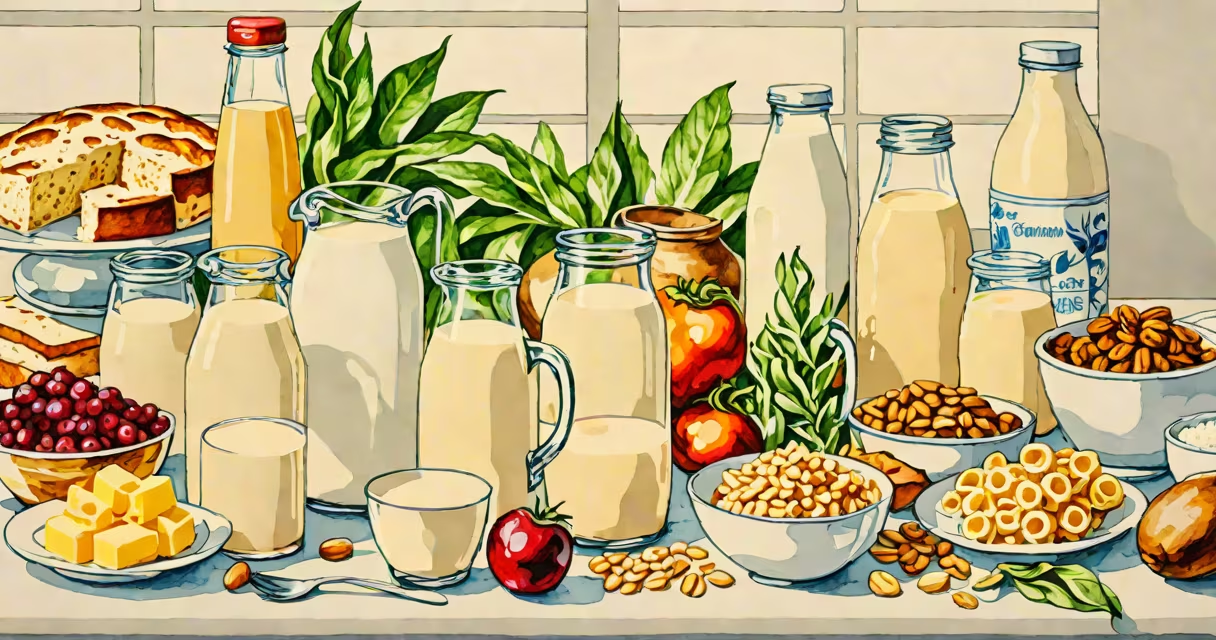
Foods fortified with vitamin D are products that have had vitamin D added to them during processing. This practice helps prevent deficiencies, especially in regions with limited sunlight exposure. Common examples include milk, cereal, and plant-based alternatives.
Fortification involves adding micronutrients like vitamins or minerals to foods to improve their nutritional value. For vitamin D, this typically means adding either vitamin D2 (ergocalciferol) or vitamin D3 (cholecalciferol) to products. The process is regulated to ensure safety and effectiveness.
The most common fortified foods include:
Vitamin D is essential for bone health, immune function, and well-being. Many people don't get enough vitamin D from sunlight or natural food sources alone. Fortification helps bridge this gap, reducing the risk of deficiency-related conditions like rickets or osteoporosis.
A study published in the journal Nutrients found that fortified foods contribute to vitamin D intake in populations with low sun exposure (source).
Some people assume that all dairy products contain vitamin D, but this isn't always true. Cheese and ice cream, for example, are rarely fortified., not all plant-based milks are fortified, so checking labels is important.
When I was testing vitamin D levels in my own diet, I discovered that not all fortified foods were labeled. Some plant-based milks, for example, had varying amounts of added vitamin D. This made me realize how important it is to check nutrition labels carefully.
Foods fortified with vitamin D play a important role in maintaining adequate nutrient levels, especially in regions with limited sunlight. While common examples include milk, cereals, and plant-based alternatives, not all products are fortified equally. Checking labels ensures you're getting the vitamin D you need.