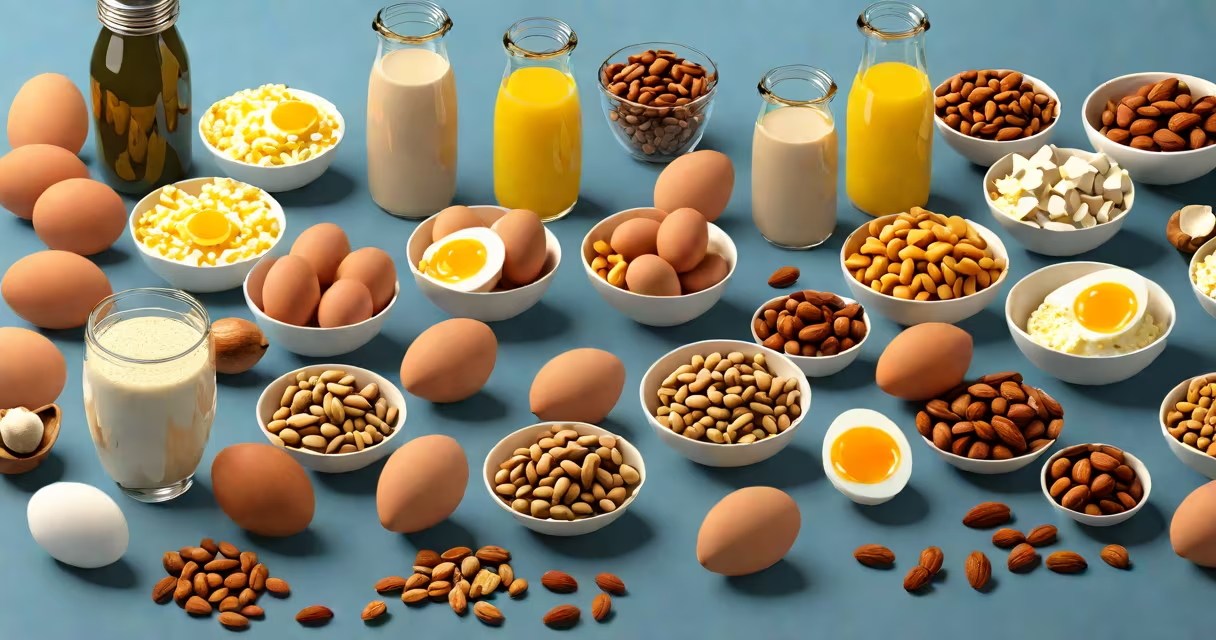
Branched-chain amino acids (BCAAs) are essential amino acids found in protein-rich foods. These include leucine, isoleucine, and valine, which play key roles in muscle protein synthesis and energy production during exercise.
BCAAs are metabolized directly in muscle tissue rather than in the liver. Leucine, in particular, stimulates muscle protein synthesis, while isoleucine and valine help regulate blood sugar and energy levels. Together, they reduce muscle soreness and promote recovery after intense workouts.
The best food sources of BCAAs are complete proteins from animal and plant-based foods. Animal sources generally contain higher concentrations of BCAAs than plant sources. Here are some of the top foods with BCAA:
| Food | BCAA Content (per 100g) |
|---|---|
| Chicken breast | 8.6g |
| Eggs | 4.9g |
| Salmon | 4.5g |
| Lean beef | 4.3g |
| Greek yogurt | 2.5g |
| Lentils | 1.8g |
| Quinoa | 1.5g |
BCAAs are often confused with other essential amino acids, but they have distinct functions. While all essential amino acids are necessary for protein synthesis, BCAAs are unique because they are primarily metabolized in skeletal muscle. This makes them particularly important for athletes and those looking to maintain muscle mass.
Unlike non-essential amino acids, which the body can produce, BCAAs must be obtained through diet or supplementation. Foods rich in BCAAs are often also high in other essential amino acids, making them valuable for health.
One common misconception is that only meat and dairy products contain BCAAs. While these are excellent sources, plant-based foods like lentils, quinoa, and nuts also provide significant amounts. Another myth is that BCAA supplements are necessary for muscle growth. However, a balanced diet with adequate protein intake from whole foods can provide sufficient BCAAs for most people.
According to the National Institutes of Health, a varied diet that includes protein-rich foods can meet the body's amino acid needs without the need for supplements.
To ensure you're getting enough BCAAs, include different protein sources in your meals. For example, a breakfast of eggs and Greek yogurt provides a good start, while lunch could consist of grilled chicken with quinoa. Snacks like nuts or a protein shake can also contribute to your daily BCAA intake.
I personally noticed improved recovery times after workouts when I increased my intake of BCAA-rich foods. A post-workout meal of salmon and quinoa helped me feel less sore and more energized the next day.
For more information on protein-rich foods, see our guide on common foods in Spanish. If you're interested in other essential nutrients, check out our list of foods with copper.