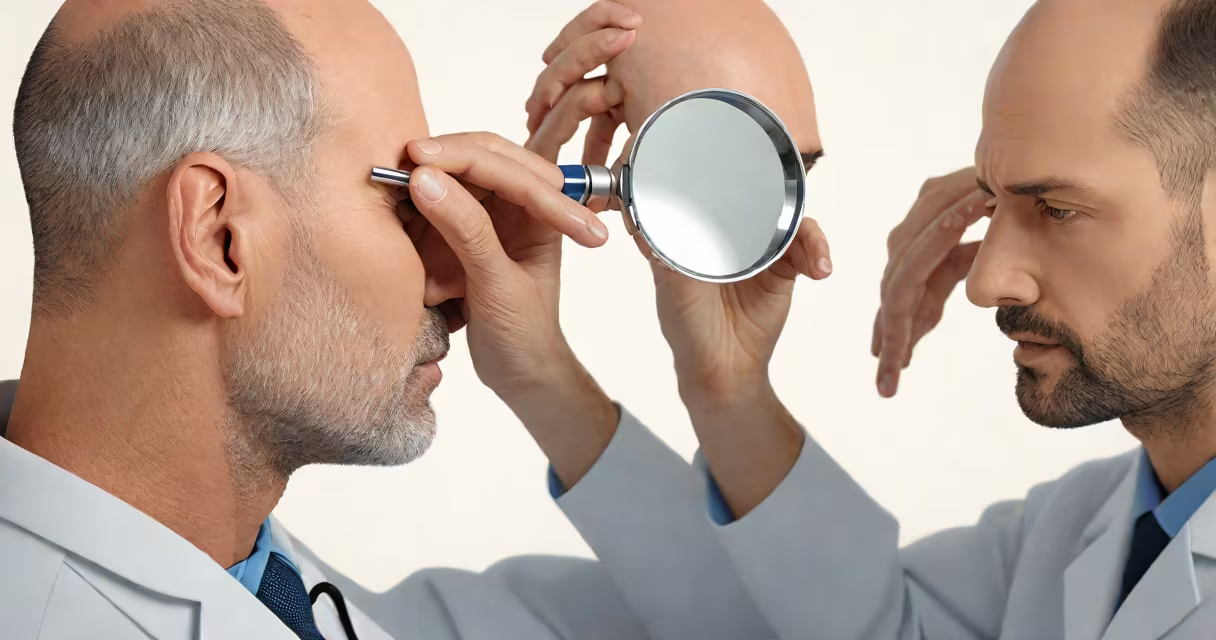
Several health issues cause hair loss, including medical conditions, nutritional deficiencies, and hormonal imbalances. These factors disrupt the normal hair growth cycle, leading to thinning or shedding.
Autoimmune disorders like alopecia areata cause hair loss when the immune system attacks hair follicles. Scalp infections, such as ringworm, can also lead to temporary hair loss. Other conditions include lupus, diabetes, and thyroid disease, which can disrupt hair growth cycles.
For example, alopecia areata often results in patchy hair loss, while scalp infections may cause hair to fall out in circular patterns. According to the American Academy of Dermatology, treating the underlying condition can sometimes restore hair growth.
Lack of essential nutrients like iron, zinc, and vitamins D and B12 can lead to hair thinning. These nutrients are important for hair follicle health and growth. Deficiencies often result from poor diet, malabsorption issues, or certain medications.
A study published in the journal Dermatology Practical & Conceptual found that iron deficiency is a common cause of hair loss in women. Correcting these deficiencies through diet or supplements can improve hair health.
Hormonal changes, particularly those involving androgens like dihydrotestosterone (DHT), play a significant role in hair loss. Conditions like polycystic ovary syndrome (PCOS) and thyroid disorders can alter hormone levels, leading to hair thinning.
For instance, women with PCOS often experience hair loss due to elevated androgen levels. Managing hormone levels through medication or lifestyle changes can help mitigate hair loss.
Stress, both physical and emotional, can trigger hair loss. Conditions like trichotillomania, a psychological disorder, cause people to pull out their hair., certain medications and treatments, such as chemotherapy, can lead to temporary hair loss.
For example, chemotherapy drugs target rapidly dividing cells, including hair follicles, resulting in hair shedding. However, hair typically regrows once treatment ends.
Many people believe that frequent hair washing or using harsh shampoos causes hair loss. While these practices can damage hair, they do not typically lead to permanent hair loss. Similarly, wearing hats or tying hair too tightly may cause temporary hair loss but not long-term baldness.
Another misconception is that hair loss only affects older adults. In reality, hair loss can occur at any age and is often related to genetic factors, health conditions, or lifestyle choices.
If hair loss is sudden, severe, or accompanied by other symptoms like scalp pain or redness, consult a healthcare provider. A doctor can diagnose the underlying cause and recommend appropriate treatments, such as medications, dietary changes, or lifestyle adjustments.
For example, if a scalp infection is causing hair loss, antifungal treatments may be prescribed. In cases of nutritional deficiencies, dietary changes or supplements can help restore hair health.
Understanding what health issues cause hair loss is the first step toward addressing the problem. By identifying and treating the underlying condition, many people can restore their hair and improve their health.