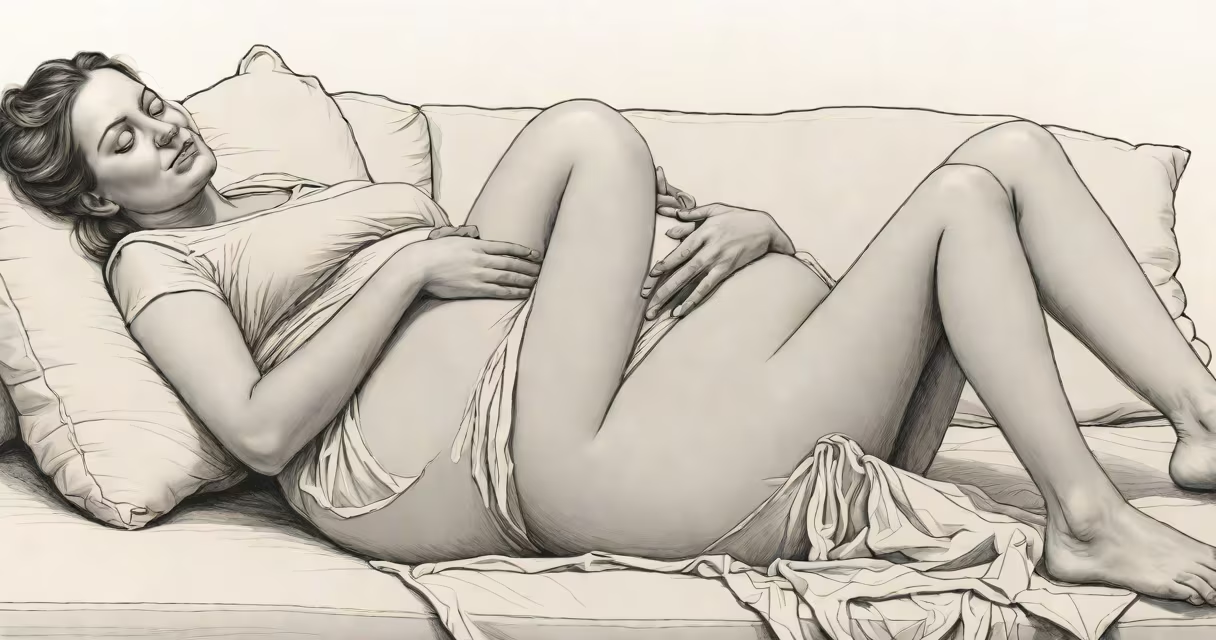
Swelling during pregnancy, especially in the legs, feet, and hands, is common due to fluid retention. Safe remedies include staying hydrated, elevating your feet, and wearing compression garments.
During pregnancy, the body produces about 50% more blood and fluids to support the growing fetus. This increased volume can cause swelling, particularly in the third trimester. Hormonal changes also relax joints and tissues, which may contribute to fluid accumulation.
Swelling can occur in various parts of the body, with the most common areas being:
To manage swelling, try these evidence-based methods:
| Method | How It Works |
|---|---|
| Hydration | Drinking plenty of water helps flush out excess sodium, reducing bloating. |
| Elevation | Resting with your feet elevated improves circulation and reduces fluid buildup. |
| Compression garments | These improve blood flow and prevent fluid from pooling in the extremities. |
| Low-sodium diet | Reducing salt intake minimizes water retention. |
| Gentle exercise | Walking or swimming boosts circulation without overexertion. |
I noticed significant relief when I elevated my feet for 20 minutes after work each day. Pairing this with compression socks helped even more.
While mild swelling is normal, sudden or severe swelling-especially in the face or accompanied by headaches, vision changes, or upper abdominal pain-can indicate preeclampsia. Contact your healthcare provider immediately if you experience these symptoms.
For more details on medications that may help with swelling, see safe options for reducing swelling., learn practical steps to manage pregnancy-related swelling effectively.