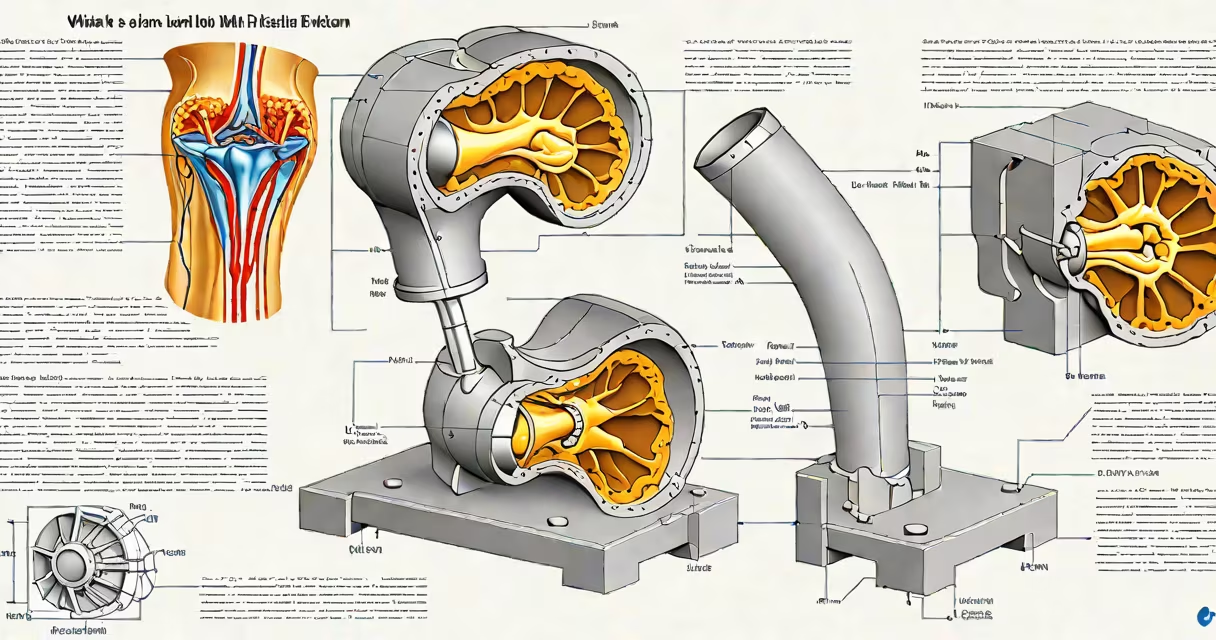
A joint effusion is the accumulation of excess fluid within the joint space, typically caused by injury, inflammation, or overuse. This fluid buildup often leads to swelling, pain, and reduced mobility in the affected joint.
Joints contain synovial fluid, which lubricates the joint and reduces friction between cartilage surfaces. In a healthy joint, this fluid is maintained at balanced levels. However, trauma, arthritis, or infection can disrupt this balance, causing an overproduction of synovial fluid or preventing its proper drainage. The resulting effusion creates pressure within the joint capsule, leading to visible swelling and discomfort.
Joint effusions are classified based on their underlying cause:
| Type | Cause | Common Affected Joints |
|---|---|---|
| Traumatic | Injury or direct impact | Knee, ankle |
| Inflammatory | Arthritis or autoimmune conditions | Knee, hip |
| Infectious | Bacterial or viral infection | Knee, shoulder |
| Crystalline | Gout or pseudogout | Big toe, knee |
Doctors diagnose joint effusions through physical examination, imaging tests like MRI or ultrasound, and sometimes joint aspiration-a procedure where excess fluid is removed using a needle. Treatment varies depending on the cause but may include rest, ice, compression, elevation (RICE), anti-inflammatory medications, or physical therapy. In severe cases, surgical intervention may be necessary to address underlying issues like torn ligaments or cartilage damage.
I once observed a patient with a persistent knee effusion that didn't improve with standard treatments. An MRI revealed a meniscal tear, which required arthroscopic surgery to resolve the underlying issue and eliminate the effusion.
Seek immediate medical care if joint swelling is accompanied by severe pain, inability to move the joint, fever, or redness-these could indicate a serious condition like an infection or a significant injury. Early diagnosis and treatment can prevent long-term joint damage and improve recovery outcomes.
For more details on specific joint conditions, explore our guides on hip flexor joint health and managing joint inflammation.