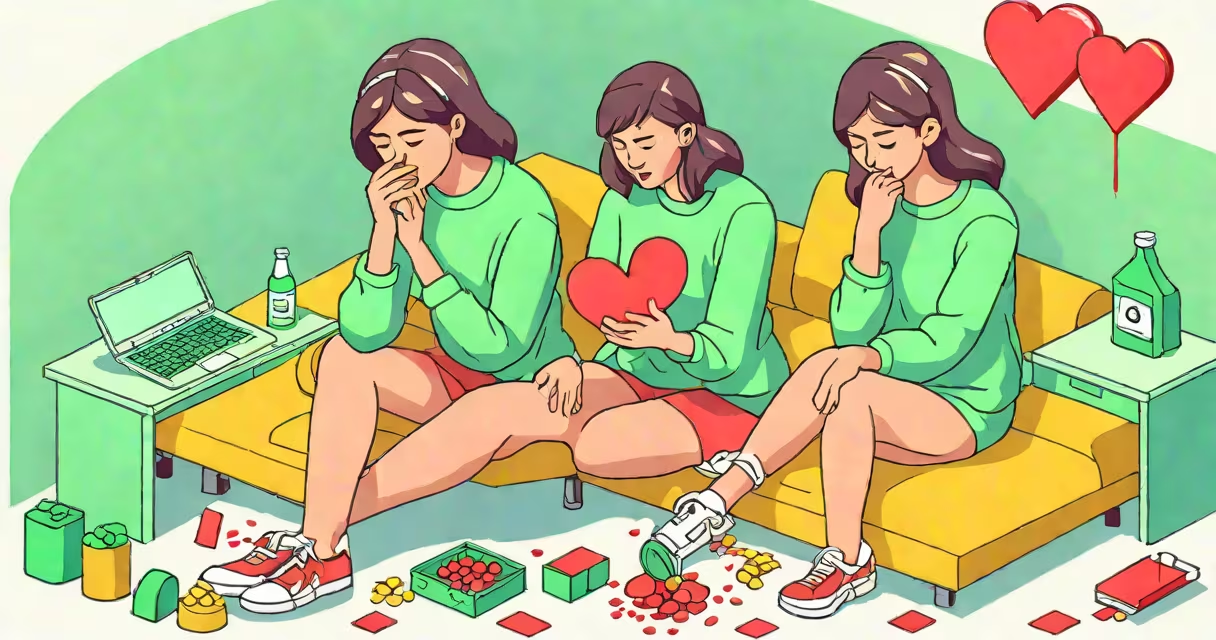
A toxic woman is someone who exhibits harmful behaviors that create emotional distress, manipulate others, or damage relationships. These patterns often involve emotional abuse, manipulation, or other forms of psychological harm.
Toxic behavior can manifest in various ways, including constant criticism, emotional blackmail, and gaslighting. These actions erode self-esteem and create an imbalance of power in relationships. According to the American Psychological Association, such behaviors can lead to long-term emotional and psychological damage.
Toxic behaviors can be categorized into several types:
Toxic behavior can occur in any relationship, including romantic partnerships, friendships, and family dynamics. It often stems from unresolved personal issues, low self-esteem, or a desire for control. For instance, a study published in the Journal of Family Psychology found that toxic behavior in romantic relationships often leads to higher levels of stress and anxiety.
Many people confuse toxic behavior with mere disagreements or occasional rudeness. However, toxic behavior is consistent and intentional, aiming to harm or control others. Unlike normal conflicts, which can be resolved through communication, toxic behavior often escalates and becomes more harmful over time.
For example, a person might think their partner is just "moody" when, in reality, they are exhibiting signs of emotional abuse. Recognizing the difference is important for maintaining healthy relationships.
To address toxic behavior, it's essential to set boundaries and seek support from friends, family, or professionals. Therapy can help individuals understand and change their harmful behaviors., educating oneself about healthy relationship dynamics can provide tools to identify and mitigate toxic interactions.
In my experience, setting clear boundaries and communicating openly has helped me go through relationships with toxic individuals. It's important to prioritize your well-being and surround yourself with supportive, positive people.