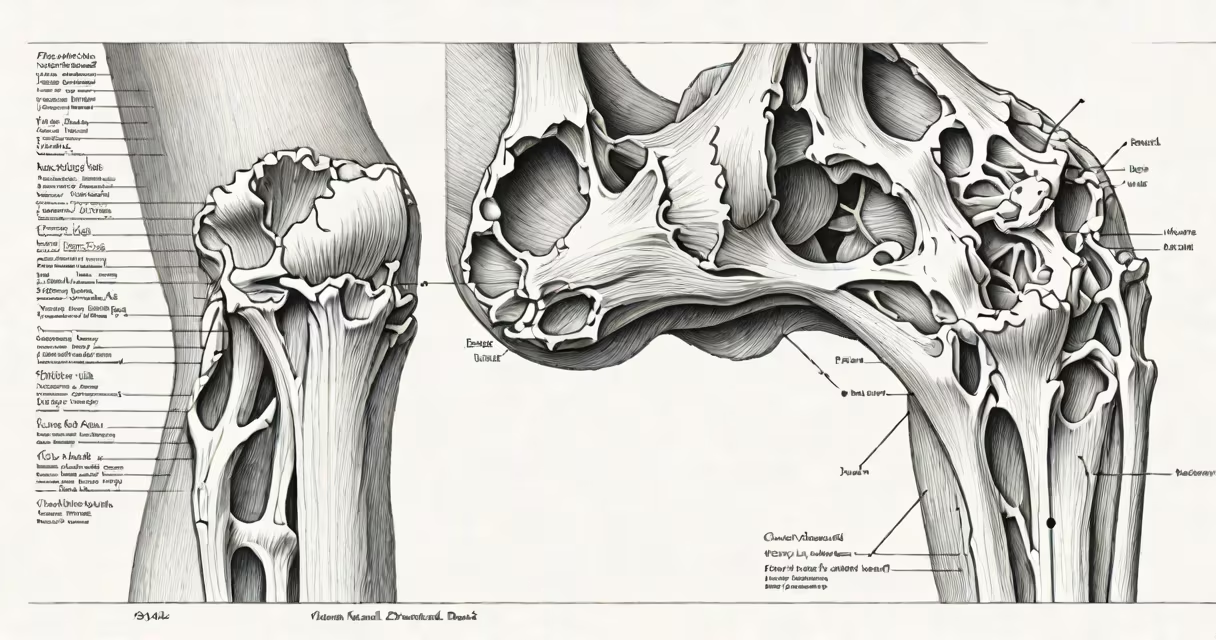
An osteochondral defect is a localized injury where both cartilage and the underlying bone are damaged, typically occurring in weight-bearing joints like the knee or ankle. These injuries often result from trauma, such as a sports-related impact or repetitive stress.
Osteochondral defects occur when force or repetitive stress damages the cartilage and the subchondral bone beneath it. Cartilage, which covers the ends of bones in joints, lacks blood vessels and heals poorly. When injured, it can separate from the bone, creating a defect.
Osteochondral defects are classified based on size, location, and stability. The most common types include:
Doctors diagnose osteochondral defects using imaging techniques like MRI or CT scans. Treatment depends on the defect's size and location. Small defects may heal with rest and physical therapy, while larger ones require surgical intervention, such as microfracture surgery or cartilage transplantation.
According to the American Academy of Orthopaedic Surgeons, early diagnosis and treatment improve outcomes. Delayed treatment can lead to further joint damage and chronic pain.
Many people confuse osteochondral defects with simple cartilage tears. Unlike superficial cartilage damage, osteochondral defects involve both cartilage and bone, making them more complex to treat.
For example, a basketball player who lands awkwardly might suffer an osteochondral defect in the knee. Initial symptoms include swelling and pain, but an MRI reveals damage to both cartilage and bone. Prompt treatment, such as arthroscopic surgery, can restore joint function.
While not all injuries are preventable, strengthening muscles around joints, using proper technique in sports, and wearing protective gear can reduce risk. Athletes should also avoid overexertion and allow adequate recovery time between intense activities.
Understanding osteochondral defects helps individuals recognize symptoms early and seek appropriate care. Proper treatment can prevent long-term joint damage and improve quality of life.