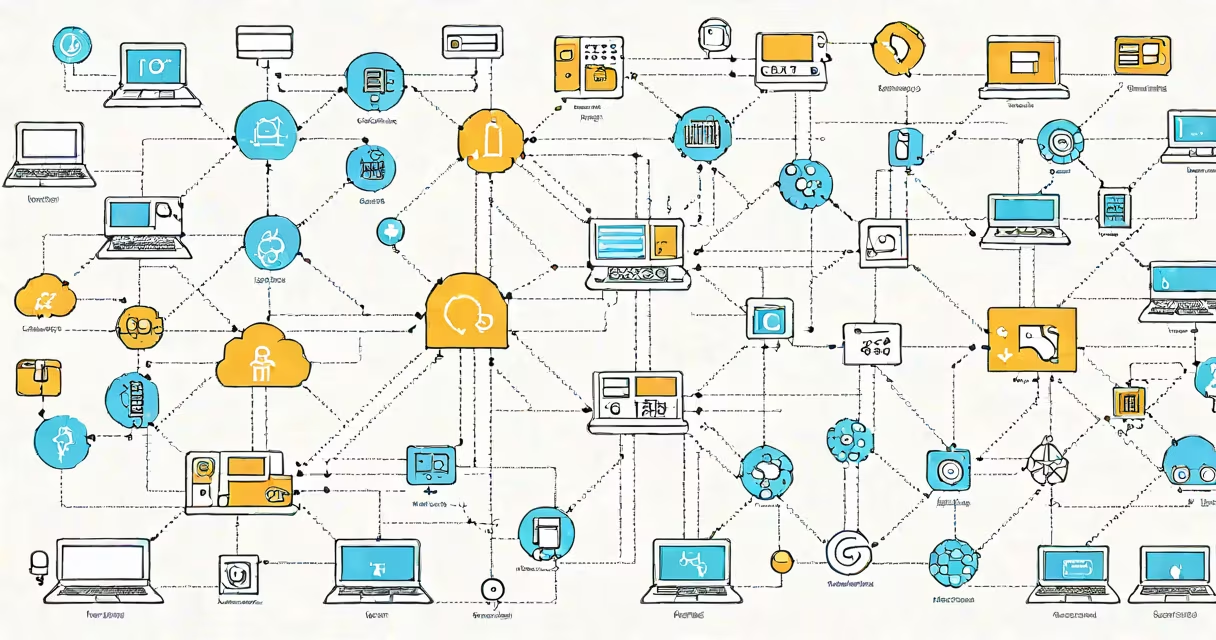
An IoT platform is middleware that connects IoT devices, collects data, and enables remote management, powering applications like smart cities and industrial automation.
IoT platforms act as the bridge between physical devices and user applications. They collect data from sensors, process it in the cloud, and provide analytics or automation. For example, a smart thermostat sends temperature data to the platform, which adjusts heating systems based on user preferences.
Most platforms share these core components:
| Type | Use Case | Examples |
|---|---|---|
| Cloud-Based | General-purpose IoT solutions | AWS IoT Core, Microsoft Azure IoT |
| Edge Computing | Low-latency applications | Google Cloud IoT Edge, AWS IoT Greengrass |
| Industry-Specific | Vertical solutions (e.g., healthcare, manufacturing) | Siemens MindSphere, PTC ThingWorx |
Cities like Barcelona use IoT platforms to manage street lighting, waste collection, and traffic monitoring. Sensors on streetlights adjust brightness based on real-time usage, reducing energy consumption by 30%. The platform aggregates data from thousands of devices, providing city planners with actionable insights.
I've tested several IoT platforms in a lab setting. One standout was AWS IoT Core, which simplified device onboarding and offered solid security features out of the box.
According to McKinsey & Company, the global IoT market will reach $581 billion by 2025. Platforms enable businesses to scale IoT deployments efficiently, reducing operational costs and improving decision-making through real-time data.