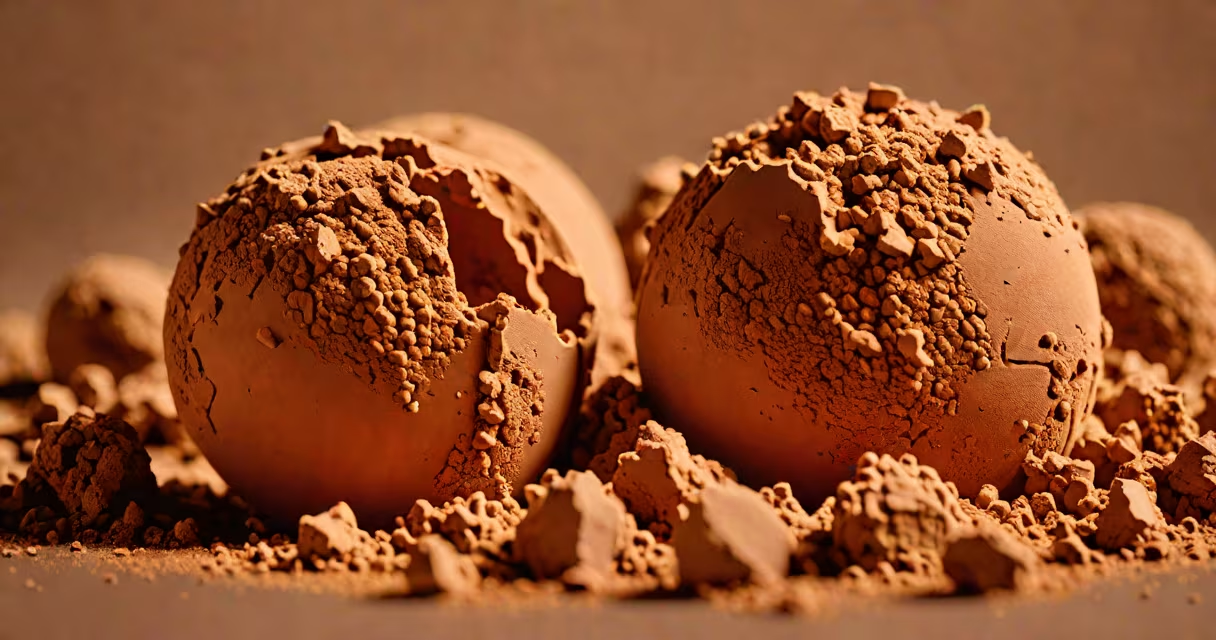
Ball clay is a fine-grained, plastic sedimentary clay used primarily in ceramics for its high plasticity and strength when fired. It forms the base material for many pottery products.
Ball clay becomes pliable when wet, allowing it to be shaped into various forms. When fired at high temperatures, it hardens into a durable ceramic material. Its plasticity makes it ideal for molding complex shapes, while its fine particles create a smooth surface.
Ball clays are classified based on their composition and origin. The most common types include:
Ball clay is essential in the production of ceramics, including pottery, tiles, and sanitary ware. Its fine particles and high plasticity allow for detailed work, such as creating complex designs on pottery. For example, a potter might use ball clay to shape a vase, then fire it to achieve a durable finish.
According to the U.S. Geological Survey, ball clay is often mined alongside other clays and processed to remove impurities. This ensures the final product is pure and suitable for ceramic use.
Many people confuse ball clay with kaolin clay, another type of clay used in ceramics. While both are sedimentary clays, ball clay has higher plasticity and is better suited for shaping, whereas kaolin is often used in porcelain due to its whiter color and lower plasticity.
Another misconception is that ball clay is only used in pottery. However, it is also used in the production of cement, paper, and even cosmetics due to its fine texture and binding properties.
When I worked on a pottery project, I discovered firsthand how ball clay's plasticity allowed me to create detailed sculptures with ease. The clay held its shape well, even when drying, which was important for achieving the desired final product.
Ball clay is a versatile and essential material in ceramics, known for its high plasticity and strength. Whether used in pottery, tiles, or other applications, its unique properties make it indispensable in the ceramic industry.