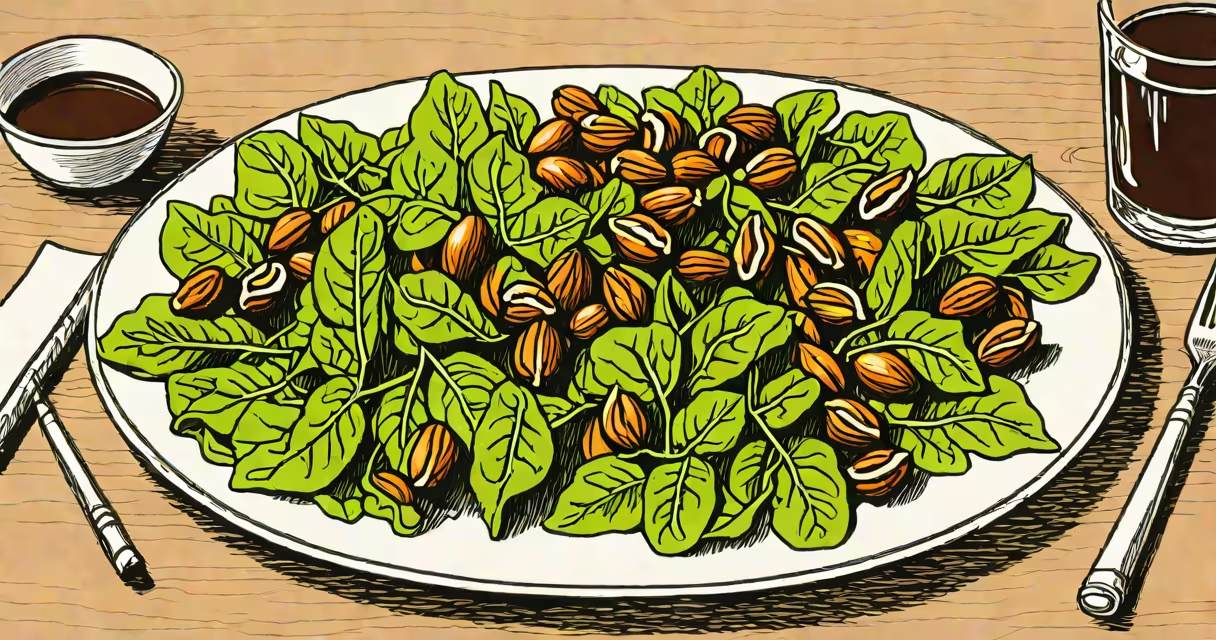
Avoiding certain foods, drinks, and habits can help prevent kidney stones from forming. High-oxalate foods, excessive salt, and sugary beverages are among the worst offenders.
Kidney stones form when certain chemicals in urine become concentrated and crystallize. This happens when urine becomes too saturated with these substances or lacks substances that prevent crystals from sticking together.
Diet is important for kidney stone formation. Foods high in oxalates, sodium, and sugars can increase the risk of stones. Conversely, adequate hydration and a balanced diet can help prevent them.
The worst foods for kidney stones fall into three main categories:
Beyond diet, certain habits can worsen kidney stone risk:
Many people believe that dairy products cause kidney stones due to their calcium content. However, the calcium in food doesn't contribute to kidney stones. In fact, dietary calcium can bind with oxalate in the gut, preventing it from entering the bloodstream and being excreted in urine.
Another myth is that citrus fruits should be avoided. Citrus fruits contain citrate, which actually helps prevent stones by binding with calcium and preventing crystallization.
To illustrate what to avoid, here's a sample day of meals that are not kidney-stone-friendly:
| Meal | Foods to Avoid |
|---|---|
| Breakfast | Spinach omelet with whole wheat toast and orange juice |
| Lunch | Grilled chicken salad with mixed greens, nuts, and a sugary dressing |
| Dinner | Beef steak with a side of canned soup and a glass of red wine |
| Snacks | Chocolate bar and a soft drink |
This meal plan includes high-oxalate foods (spinach, nuts, chocolate), excessive sodium (canned soup), sugary beverages (orange juice, soft drink), and excessive protein (beef steak). Replacing these with low-oxalate foods, lean proteins, and plenty of water can reduce kidney stone risk.
To maintain kidney health, focus on a balanced diet, stay hydrated, and limit high-risk foods. If you're prone to kidney stones, consult a healthcare provider for personalized dietary advice.