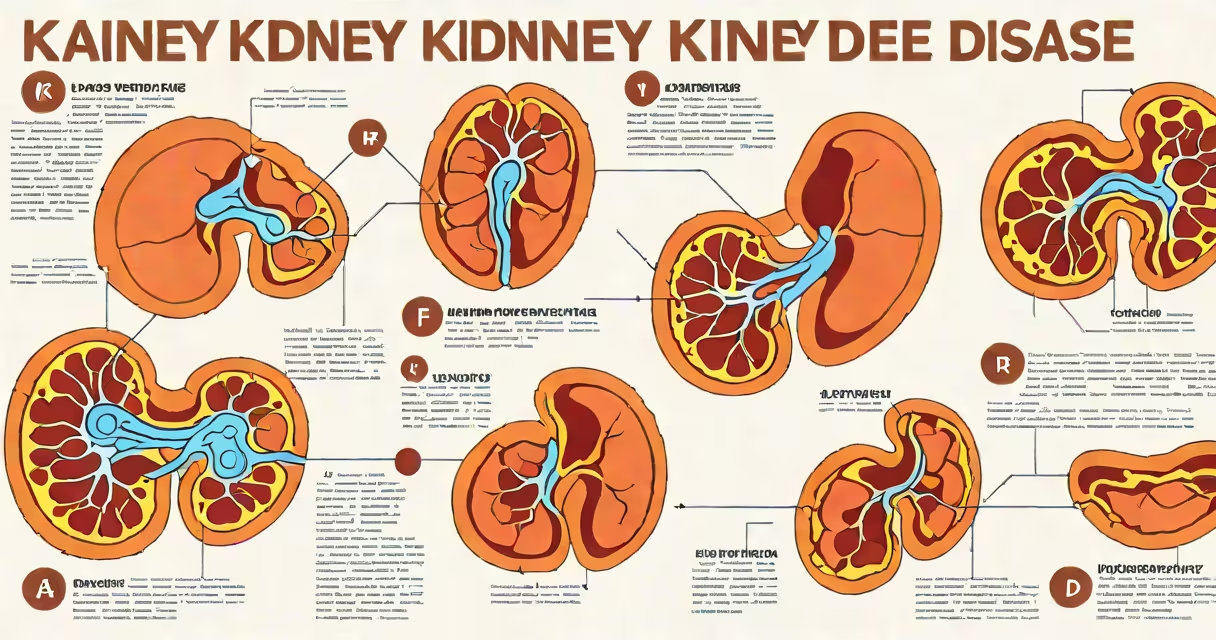
Kidney disease refers to damage or decreased function in one or both kidneys, organs that filter waste and excess fluids from blood. The most common types are chronic kidney disease (CKD) and acute kidney injury (AKI).
The kidneys filter about 200 liters of blood daily, removing waste and extra fluid while returning nutrients and electrolytes to the bloodstream. Kidney disease disrupts this process, leading to waste buildup and chemical imbalances.
Kidney diseases fall into two primary categories:
| Type | Description | Duration |
|---|---|---|
| Chronic Kidney Disease (CKD) | Progressive loss of kidney function over months or years | Long-term |
| Acute Kidney Injury (AKI) | Sudden loss of kidney function within hours or days | Short-term |
CKD has five stages based on glomerular filtration rate (GFR), a measure of kidney function. Stage 5 is kidney failure, requiring dialysis or transplant.
Diabetes and high blood pressure cause most cases of CKD. Other causes include:
Risk factors include family history, obesity, smoking, and certain medications.
Early-stage kidney disease often has no symptoms. Later signs include:
Doctors diagnose kidney disease through blood tests (checking GFR), urine tests (measuring protein levels), and imaging tests (ultrasounds or CT scans). A kidney biopsy may confirm diagnosis.
I once interviewed a nephrologist who emphasized early detection. "Many people don't realize they have kidney disease until it's advanced," she said. "Regular checkups are important, especially for those at higher risk."