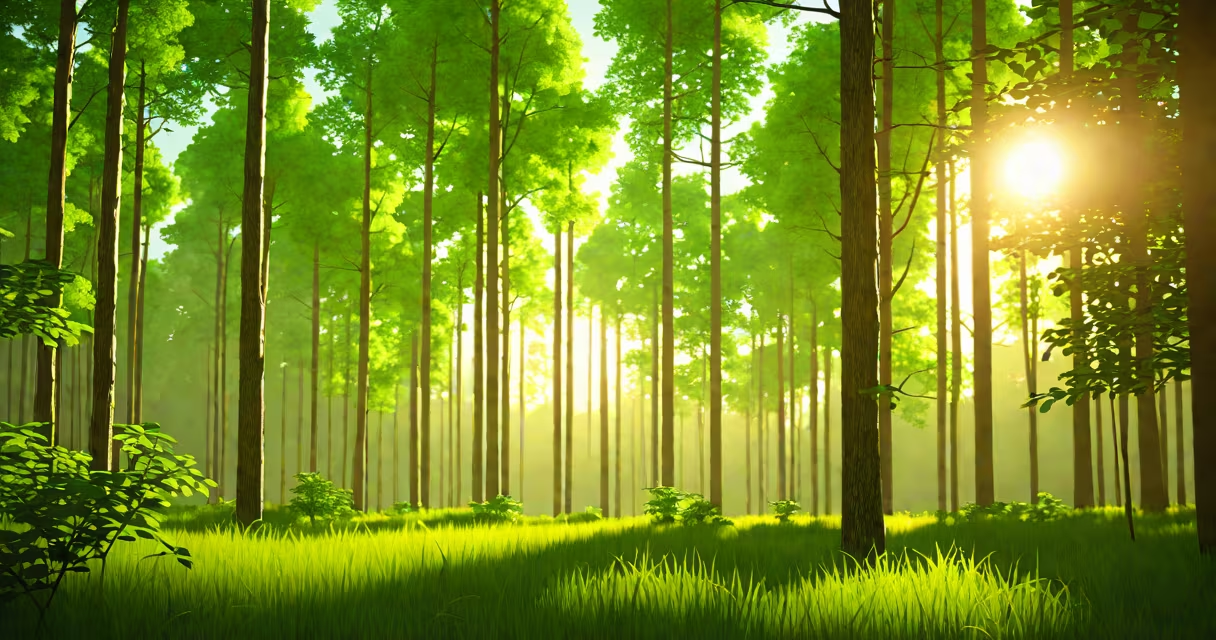
Conservation of natural resources means managing Earth's finite supplies sustainably to maintain them for future generations. This includes protecting water, soil, forests, minerals, and wildlife through sustainable practices.
Conservation prevents waste, overuse, and pollution while balancing human needs with environmental health. For example, controlled logging preserves forests by allowing trees to regrow between harvests.
Natural resources fall into two categories:
Conservation occurs globally, from local recycling programs to international agreements like the Paris Climate Accord. It addresses issues like deforestation, water scarcity, and biodiversity loss.
A 2020 study in Nature found that 1 million species face extinction due to unsustainable resource use. Conservation helps reverse this trend by protecting habitats and promoting sustainable practices.
Many confuse conservation with preservation. Preservation keeps areas completely undeveloped, while conservation allows sustainable use. For example, national parks preserve land, but selective logging in nearby forests conserves them.
Water conservation includes fixing leaks, using drought-resistant crops, and rainwater harvesting. In Cape Town, South Africa, a severe drought in 2018 led to strict water rationing. The city implemented conservation measures like limiting shower time and installing water-efficient appliances, reducing daily water use by 50%.
I visited a sustainably managed forest in Oregon where loggers follow strict guidelines. They leave seed trees to regenerate the forest and avoid clear-cutting entire areas. This approach maintains biodiversity while providing timber for construction.
Conservation of natural resources is essential for sustaining life on Earth. By managing resources responsibly, we ensure they remain available for future generations while protecting the environment. Whether through renewable energy adoption or efficient use of non-renewable resources, conservation plays a critical role in maintaining ecological balance.