Crude oil is refined into fuel, lubricants, and petrochemicals that power transportation, manufacturing, and daily life. This unprocessed liquid hydrocarbon is pumped from underground reservoirs and processed into over 6,000 products.
Crude oil undergoes distillation in refineries to separate it into components based on boiling points. The lightest fractions become gasoline and jet fuel, while heavier fractions produce diesel, heating oil, and asphalt. Petrochemical feedstocks create plastics, synthetic rubber, and fertilizers.
For example, a barrel of crude oil yields about 45 gallons of gasoline, 11 gallons of distillates (like diesel), and 4 gallons of jet fuel. The remaining 15 gallons produce other products including heating oil, propane, and petroleum coke.
| Type | API Gravity | Sulfur Content | Primary Uses |
|---|---|---|---|
| Light Sweet Crude | 40+ API | Low sulfur (<0.5%) | Gasoline, jet fuel, diesel |
| Heavy Sour Crude | 10-20 API | High sulfur (>2%) | Asphalt, heating oil, petrochemicals |
| Medium Crude | 22-40 API | Variable | Diesel, fuel oil, lubricants |
Many assume crude oil is only used for fuel, but it's also important for manufacturing. Plastics production relies on ethylene and propylene derived from crude oil. A single barrel can produce enough plastic to make 500 plastic bags or 350 plastic bottles.
Another myth is that all crude oils are alike. In reality, their properties vary widely. Light sweet crude from the Brent crude oil market is easier to refine than heavy sour crude, which requires more processing to remove impurities.
Beyond fuel, crude oil-derived products are everywhere. Synthetic fibers like polyester come from petrochemicals, as do many cosmetics and pharmaceuticals. Even food packaging often contains crude oil derivatives.
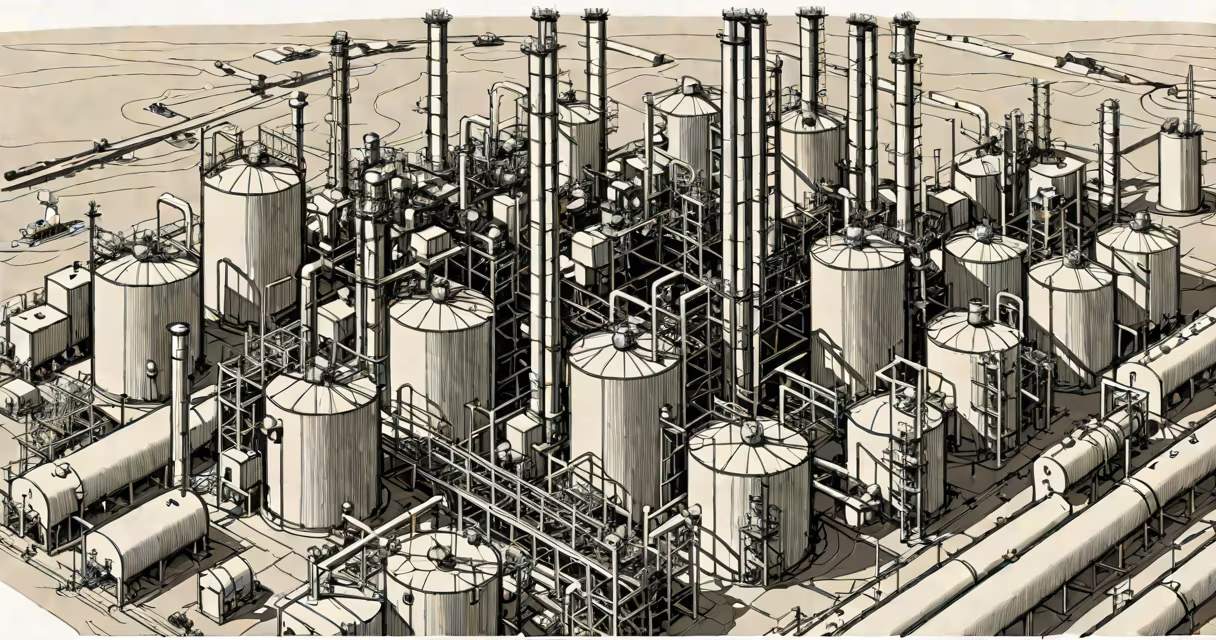
I once visited an oil refinery and was struck by the complexity of the process. The labyrinth of pipes and towers transformed raw crude into products ranging from airplane fuel to children's toys. The scale and precision required to balance these processes were impressive.
Understanding crude oil's role in the economy requires recognizing its dual nature as both an energy source and a raw material for countless products. From the gas station to the grocery store, its influence is undeniable.