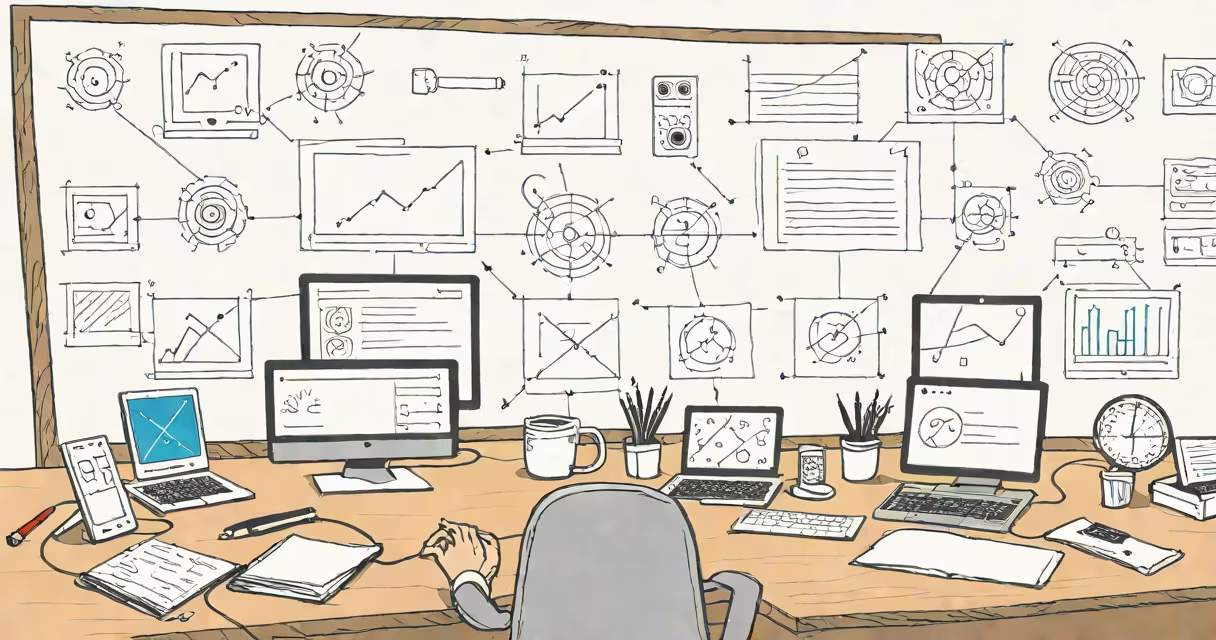
Endpoint management is the process of organizing, securing, and maintaining company devices like laptops, smartphones, and tablets through centralized software. It ensures all endpoints follow security policies, receive updates, and function properly.
As businesses adopt more flexible work arrangements, managing endpoints becomes important for security and efficiency. According to Gartner, 60% of enterprises will use unified endpoint management by 2025. This shift reflects the growing need to secure diverse devices accessing corporate networks.
Endpoint management software runs on a central server. It connects to all enrolled devices through agents installed on each endpoint. The software monitors device status, enforces security policies, and deploys updates.
For example, an IT team might use endpoint management to:
This centralized approach reduces manual work and improves consistency across the organization.
| Feature | Description |
|---|---|
| Device tracking | Monitors location, status, and usage of all endpoints |
| Security policy enforcement | Applies consistent security settings across all devices |
| Software deployment | Distributes applications and updates automatically |
| Remote troubleshooting | Allows IT staff to fix issues without physical access |
| Data encryption | Protects sensitive information on mobile devices |
Endpoint management typically covers:
Each device type requires different management approaches. For example, mobile devices need mobile device management (MDM) features, while IoT devices might require specialized IoT management solutions.
Many people confuse endpoint management with endpoint security, but they serve different purposes:
Think of it like managing a library versus securing it. Management involves checking books in and out, while security involves installing alarms and surveillance cameras. Both are necessary for proper IT operations.
In practice, many organizations use unified endpoint management (UEM) solutions that combine both functions. These complete platforms provide both management and security capabilities in a single interface.
When I helped a mid-sized marketing agency implement endpoint management, we first inventoried all devices. We then set up policies to require strong passwords and automatic updates. The software flagged several outdated operating systems that needed immediate attention.
After implementation, the IT team spent 70% less time on routine maintenance tasks. They could focus on more strategic projects while knowing all devices remained secure and up-to-date.
Organizations often face several challenges when implementing endpoint management:
According to Forrester Research, poor endpoint management can lead to security breaches, compliance violations, and increased IT costs. Proper implementation requires careful planning and ongoing maintenance.