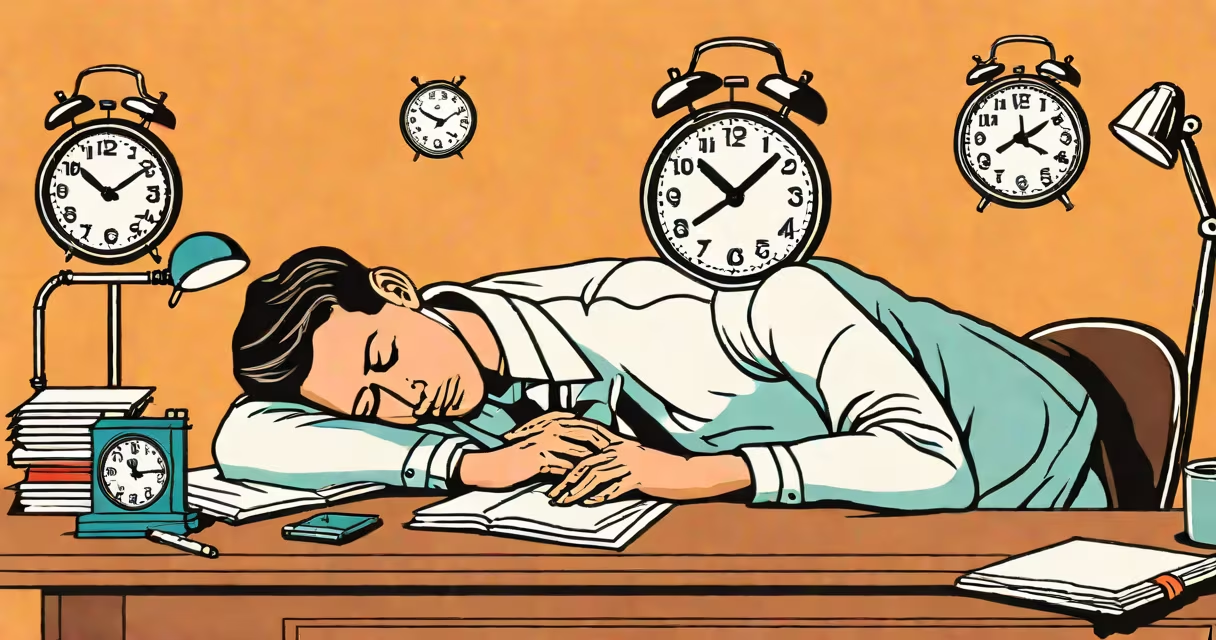
Excessive sleepiness, or hypersomnia, occurs when a person feels an overwhelming need to sleep during the day despite getting enough nighttime rest. This condition can disrupt daily activities and may signal underlying medical issues.
Excessive sleepiness differs from regular tiredness because it persists even after adequate sleep. People with this condition often struggle to stay awake during normal waking hours, leading to accidents or reduced productivity. The brain's inability to maintain alertness suggests an imbalance in sleep-regulating chemicals like serotonin and dopamine.
| Type | Description | Common Causes |
|---|---|---|
| Primary Hypersomnia | Chronic condition with no identifiable cause | Genetic factors, abnormal brain function |
| Secondary Hypersomnia | Result of another medical condition | Sleep apnea, narcolepsy, depression |
| Idiopathic Hypersomnia | Rare disorder causing long, unrefreshing sleep | Unknown, possibly genetic |
Doctors diagnose excessive sleepiness through patient history, sleep studies, and blood tests. Treatment varies based on the underlying cause. For instance, continuous positive airway pressure (CPAP) machines help patients with sleep apnea, while medications like modafinil treat narcolepsy.
According to the National Sleep Foundation, excessive sleepiness affects about 20% of adults. Many people don't realize their condition stems from treatable issues. For example, untreated sleep apnea increases the risk of heart disease and stroke.
People often confuse excessive sleepiness with laziness or poor sleep habits. However, these assumptions ignore potential medical causes. A study published in the journal Sleep Medicine Reviews found that many patients with hypersomnia were initially misdiagnosed with depression due to overlapping symptoms like fatigue and low energy.
Another mistake is attributing excessive sleepiness solely to aging. While older adults may experience changes in sleep patterns, persistent daytime sleepiness warrants medical evaluation regardless of age.
Sarah, a 32-year-old teacher, frequently dozed off during classes despite sleeping eight hours nightly. After consulting a doctor, she underwent a sleep study that revealed obstructive sleep apnea. Using a CPAP machine improved her symptoms. This example shows how identifying the root cause leads to effective treatment.