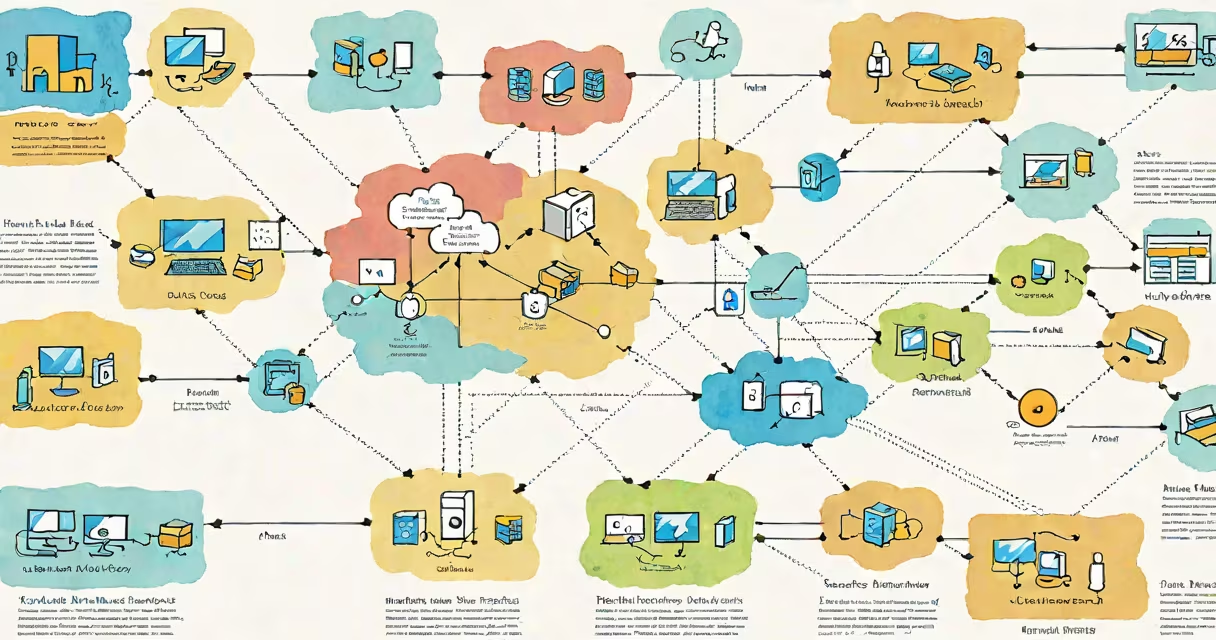
Hybrid security is a cybersecurity approach that combines on-premise defenses with cloud-based protection to secure modern networks. It addresses the challenges of distributed workforces and multi-cloud environments.
Hybrid security operates by integrating traditional security tools with cloud-native solutions. On-premise firewalls and intrusion detection systems work alongside cloud access security brokers (CASBs) and secure web gateways. This creates a unified defense strategy that covers all entry points.
| Component Type | On-Premise Example | Cloud Example |
|---|---|---|
| Firewall | Cisco ASA | AWS Network Firewall |
| Email Security | Barracuda Email Protection | Proofpoint Essential |
| Endpoint Protection | Symantec Endpoint Protection | CrowdStrike Falcon |
Organizations adopt hybrid security when they use both local data centers and cloud services. A 2023 Gartner report found that 67% of enterprises operate in hybrid cloud environments, creating complex security requirements.
This approach is particularly valuable for remote workers accessing corporate resources from various locations. Hybrid security ensures consistent protection whether employees connect from home offices or branch locations.
Many assume hybrid security simply means using multiple security tools. However, true hybrid security requires integration between these tools. Without proper data sharing, organizations create security gaps rather than complete defenses.
Another misconception is that hybrid security replaces traditional on-premise defenses. In reality, it enhances them by extending protection to cloud environments while maintaining local security controls where needed.
When I helped implement hybrid security for a healthcare provider, we integrated their existing Cisco firewalls with Microsoft Defender for Cloud. This allowed us to maintain HIPAA compliance for on-premise patient data while securing cloud-based research applications. The unified dashboard reduced alert fatigue by 40% within three months.
As zero-trust architectures gain traction, hybrid security will likely incorporate more identity-centric protections. Expect to see increased adoption of solutions that verify user identities continuously, regardless of location or device.
According to MarketsandMarkets, the hybrid security market is projected to grow from $25 billion in 2023 to $50 billion by 2028, driven by increasing cloud adoption and regulatory requirements.