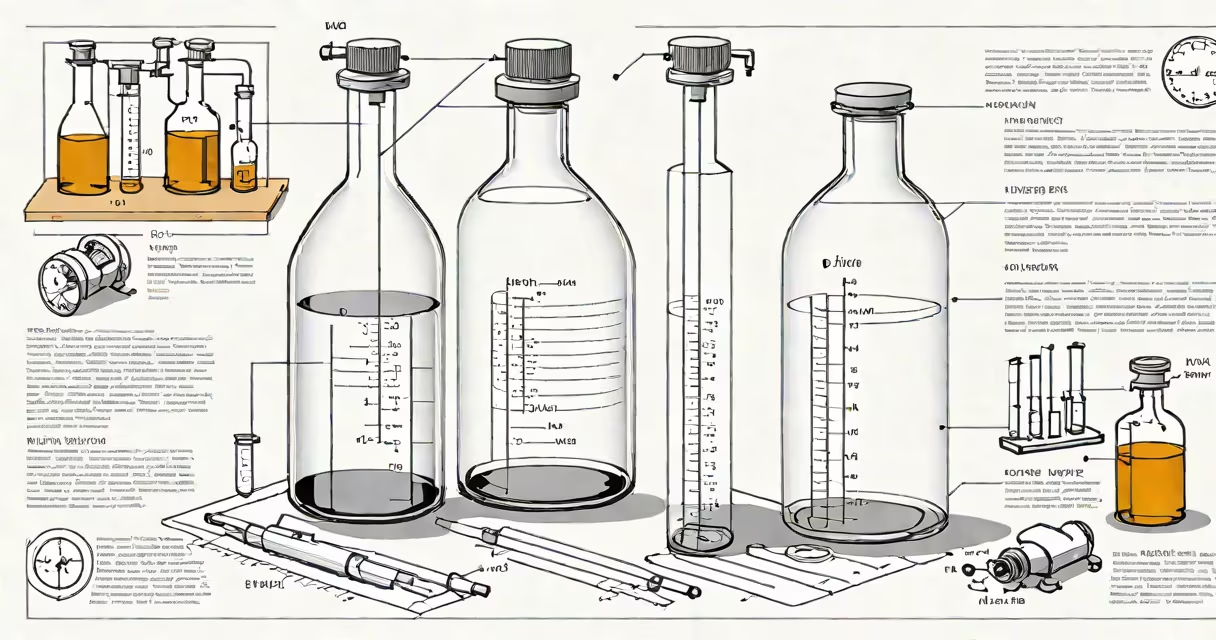
Hydrogen peroxide is made of two hydrogen atoms (H2) and two oxygen atoms (O2), forming the chemical compound H2O2. This simple structure creates a pale blue liquid in its pure form, though it's commonly sold as a dilute solution.
Hydrogen peroxide acts as a useful oxidizer. When it decomposes, it releases oxygen, which makes it useful for cleaning, disinfecting, and even rocket propulsion. The reaction is exothermic, meaning it releases heat, which accelerates the process.
The concentration of hydrogen peroxide determines its use. Common concentrations include:
| Concentration | Common Uses |
|---|---|
| 3% | First aid antiseptic, household cleaning |
| 6-10% | Hair bleach, contact lens disinfectant |
| 30-35% | Industrial cleaning, textile bleaching |
| 90%+ | Rocket propellant, chemical synthesis |
Most people encounter the 3% solution, which is safe for minor cuts and scrapes. Higher concentrations require careful handling due to their corrosive nature.
Many people confuse hydrogen peroxide with water (H2O). While both contain hydrogen and oxygen, hydrogen peroxide has an extra oxygen atom, making it a much stronger oxidizing agent. Unlike water, hydrogen peroxide is not stable and decomposes over time, especially when exposed to light or heat.
Understanding what hydrogen peroxide is made of helps in appreciating its versatility and the need for proper handling. Whether used for cleaning, disinfecting, or industrial processes, its unique composition makes it an essential compound in various fields.