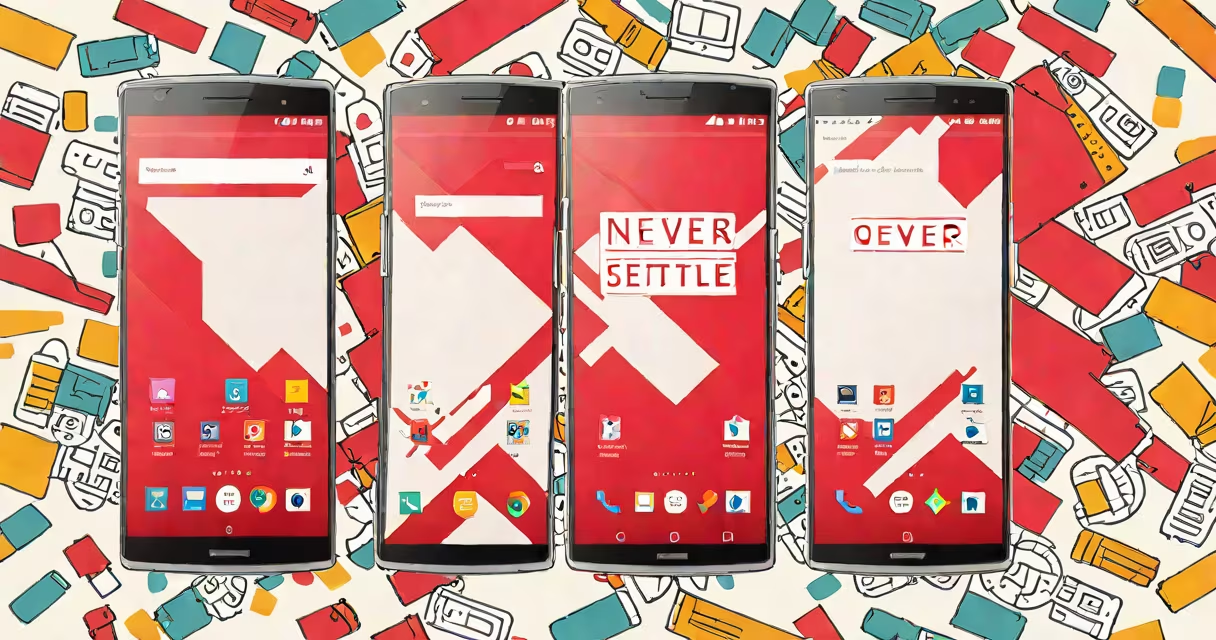
The OnePlus One is a 2014 Android smartphone that launched Chinese manufacturer OnePlus as a premium budget alternative to established brands. It combined high-end specifications with a $299 price tag, sold exclusively online through invite-only sales.
The OnePlus One featured a 5.5-inch 1080p display, Snapdragon 801 processor, 3GB RAM, and 13MP camera. Its most distinctive feature was the "sandstone black" rear panel, a textured plastic material designed to prevent fingerprints. The phone came with 16GB or 64GB storage options.
Unlike other smartphones of the era, the OnePlus One lacked microSD expansion and wireless charging. Its power button was placed on the right side, while volume controls were on the left - an unusual layout at the time.
The OnePlus One ran CyanogenMod, a popular Android custom ROM known for its extensive customization options. This partnership gave users access to features like theme support, privacy controls, and gesture navigation years before they became mainstream.
OnePlus later developed its own OxygenOS, but the CyanogenMod version remains iconic among enthusiasts. The company continued supporting the device with updates until 2019, an unusually long support window for a budget phone.
OnePlus created controversy with its invite-only sales system, which limited supply to control demand. The company sent out invites via social media contests, referrals, and direct purchases of accessories. This strategy generated significant media attention and helped establish OnePlus as a disruptive brand.
Despite criticism, the system worked - OnePlus sold one million units in its first year. The company later abandoned the invite system as it scaled production.
The OnePlus One proved that a relatively unknown manufacturer could compete with established brands by offering high specifications at lower prices. It popularized several features now common in smartphones, including always-on displays and custom launchers.
I remember testing the OnePlus One against flagship devices costing twice as much. While it lacked some premium features, its performance was nearly identical in daily use. The sandstone back panel was particularly effective at preventing slips, a small detail that made a big difference in usability.