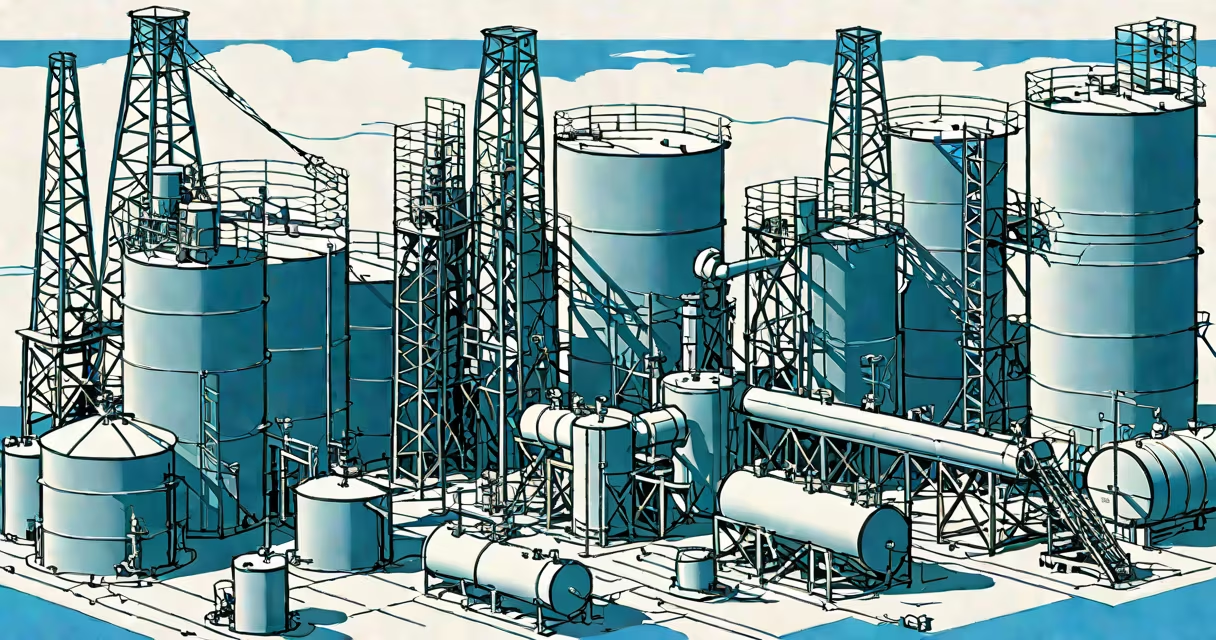
Oil per barrel right now refers to the current market price of crude oil, measured in U.S. dollars per 42-gallon barrel. This price fluctuates constantly based on global supply, demand, and geopolitical events.
Oil prices are set by global commodity markets, primarily through futures contracts traded on exchanges like the New York Mercantile Exchange (NYMEX) and the Intercontinental Exchange (ICE). These prices reflect expectations of future supply and demand, adjusted for factors like production cuts by OPEC+ or unexpected disruptions (e.g., hurricanes shutting down Gulf of Mexico rigs).
There are three primary benchmarks for crude oil pricing:
| Type | Key Characteristics | Typical Price Spread |
|---|---|---|
| West Texas Intermediate (WTI) | Light, sweet crude oil produced in the U.S. | $1-$3 lower than Brent |
| Brent Crude | Light, sweet crude oil from the North Sea, used as the global benchmark. | Reference standard |
| Dubai/Oman Crude | Medium-sour crude oil, often priced against Brent. | $2-$5 lower than Brent |
For example, on a given day, WTI might trade at $75/barrel while Brent trades at $78/barrel.
Oil prices adjust in real time due to:
In early 2020, oil prices briefly turned negative for the first time in history due to a perfect storm of oversupply and collapsing demand from COVID-19 lockdowns.
Many assume oil prices move in lockstep with gasoline prices at the pump. However, refining costs, taxes, and distribution expenses account for roughly 60% of retail gasoline prices. For instance, when WTI fell to $20/barrel in April 2020, gasoline prices didn't drop proportionally because refiners cut production.
To find the latest oil prices, check financial news sites like Bloomberg or Reuters, which update prices in real time. For historical context, visit the U.S. Energy Information Administration's database. Remember, prices quoted as "right now" may differ slightly between sources due to slight delays in reporting.
Understanding oil prices requires tracking both immediate market moves and long-term trends in energy production and consumption. For deeper insights into how oil markets operate, see our guide on what oil is at right now.