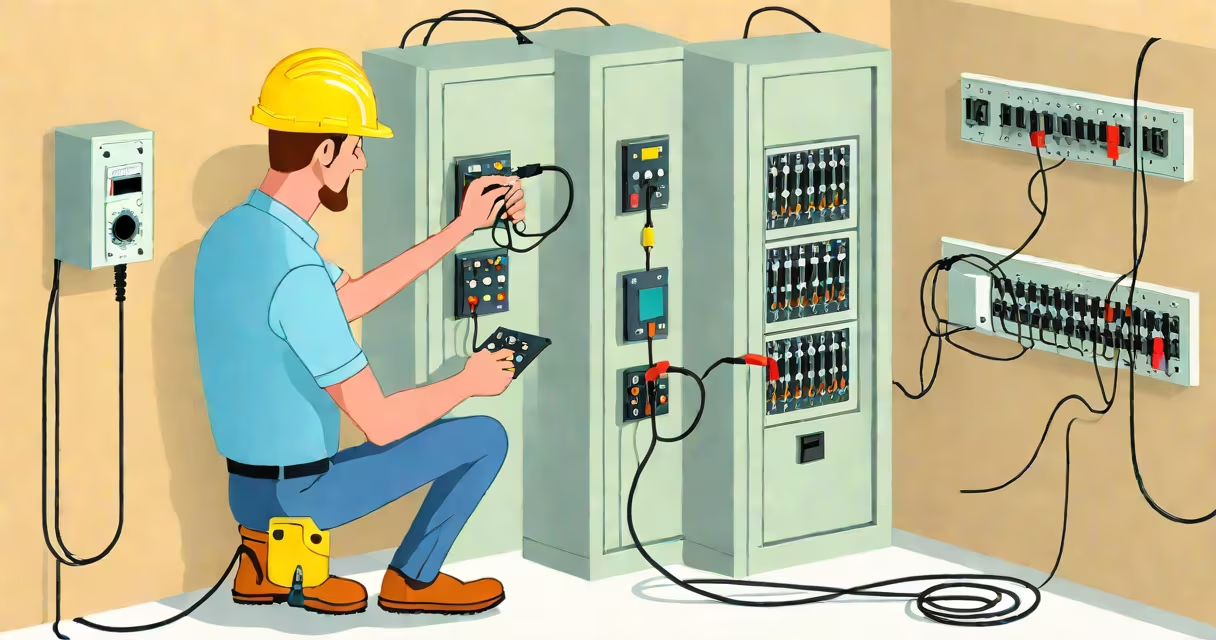
To become an electrician, you need a mix of education, hands-on training, and licensing. This typically involves completing an apprenticeship, earning a high school diploma or equivalent, and passing licensing exams.
Most electricians start with a high school diploma or GED. While in school, taking classes in math and physics can provide a solid foundation. Some technical schools offer programs in electrical work, which can last from several months to a year. These programs cover topics like electrical theory, blueprint reading, and safety practices.
An apprenticeship is a important step in becoming an electrician. These programs combine on-the-job training with classroom instruction. Apprenticeships usually last four to five years and involve working under the supervision of a licensed electrician. During this time, apprentices learn how to install, maintain, and repair electrical systems.
After completing an apprenticeship, aspiring electricians must pass a licensing exam to become a journeyman electrician. The exam covers topics like electrical theory, code requirements, and safety practices. Once licensed, electricians can work independently or continue their education to become master electricians. Some states also require electricians to complete continuing education courses to maintain their licenses.
Electricians can specialize in different areas, such as residential, commercial, or industrial electrical work. Some may focus on specific systems like fire alarms, security systems, or renewable energy sources. Specializing can increase job opportunities and earning potential.
When I shadowed a licensed electrician during my apprenticeship, I saw firsthand how important it was to understand both the theoretical and practical aspects of the job. The electrician I worked with emphasized the importance of attention to detail and adherence to safety protocols. This experience reinforced the value of hands-on training in the field.
For those interested in teaching electrical work, understanding what is required to teach can provide additional career paths.