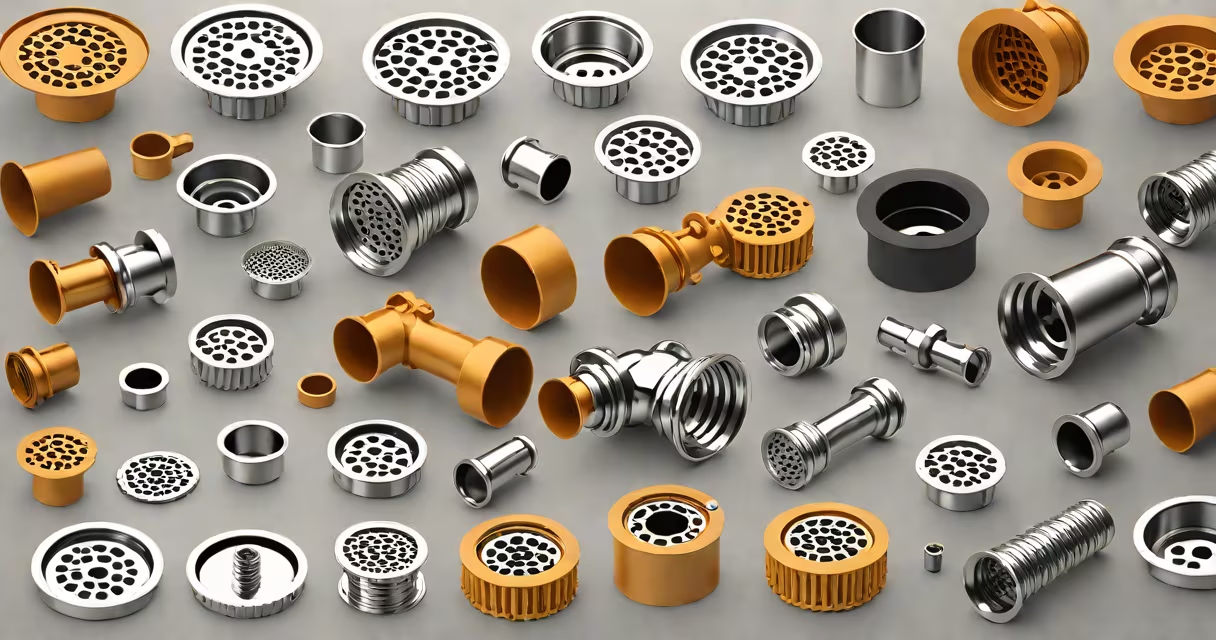
A drain is a plumbing fixture designed to carry away wastewater through pipes to a sewer or septic system. Drains prevent standing water by directing it away from buildings and living spaces.
Drains operate using gravity and pipe networks to move water efficiently. Water flows from sinks, showers, and toilets into drain pipes, which slope downward to maintain flow. Traps under sinks or floor drains hold water to block sewer gases from entering buildings.
| Type | Common Uses | Key Feature |
|---|---|---|
| Sink drain | Kitchens, bathrooms | Has a stopper to control water flow |
| Shower drain | Bathrooms | Wide opening to handle high water volume |
| Floor drain | Basements, garages | Grated cover to catch debris |
| Surface drain | Driveways, patios | Prevents water pooling outdoors |
Drains differ from surface drains, which manage rainwater outside. Indoor drains handle wastewater from fixtures. Both systems work together to keep water flowing properly.
Use drain screens to catch hair and debris. Avoid pouring grease down kitchen drains. Flush drains weekly with hot water to clear minor buildup. If drains stink, check traps and clean them. For persistent odors, identify the cause and address it.
Understanding drains helps homeowners maintain their plumbing systems. Proper care extends the life of pipes and prevents costly repairs. Regular checks ensure drains function efficiently.