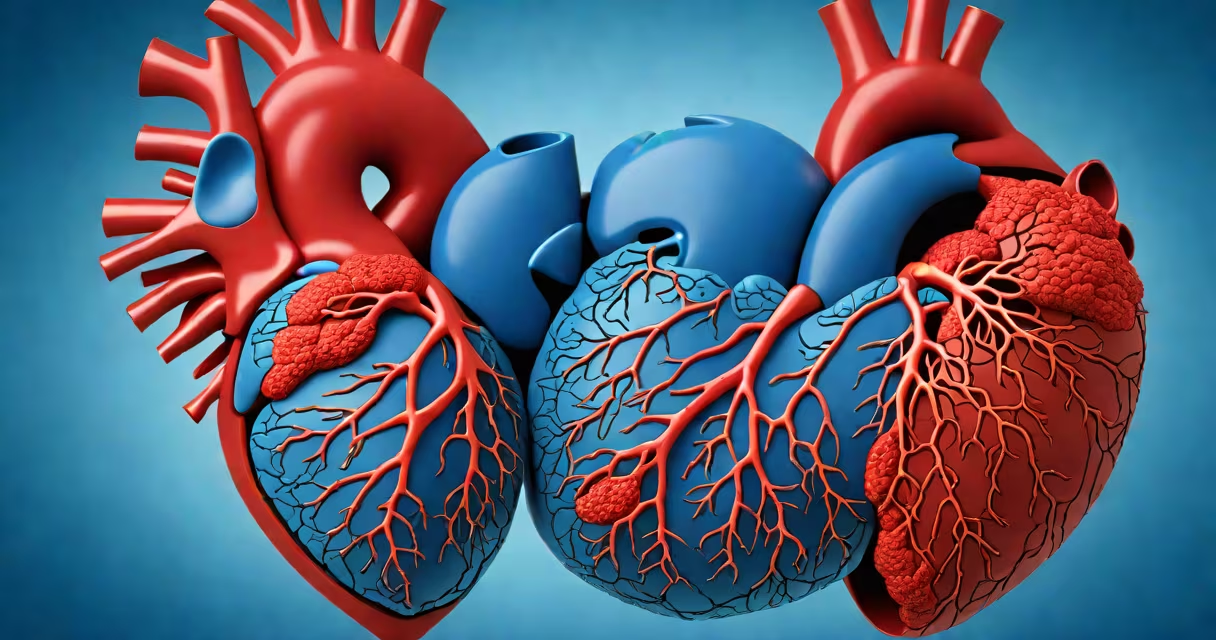
The pulmonary artery is a blood vessel that carries deoxygenated blood from the right side of the heart to the lungs for oxygenation. Unlike other arteries, it transports blood low in oxygen.
The pulmonary artery is part of the pulmonary circulation loop. After receiving deoxygenated blood from the right ventricle, it pumps the blood through its branches to the lungs. In the lungs, carbon dioxide is exchanged for oxygen in the blood. The now-oxygenated blood returns to the heart via the pulmonary veins.
This process helps oxygen-rich blood is available for the rest of the body. The pulmonary artery's unique function makes it distinct from systemic arteries, which carry oxygenated blood away from the heart to the rest of the body.
The pulmonary artery consists of several parts:
The pulmonary artery is important for maintaining efficient gas exchange. Without it, blood wouldn't receive the oxygen needed to sustain bodily functions. This makes the pulmonary artery indispensable for life.
For example, during exercise, the pulmonary artery adapts by increasing blood flow to meet higher oxygen demands. This adaptation ensures muscles receive adequate oxygen, enhancing performance.
Many confuse the pulmonary artery with the aorta, the main systemic artery. While both are major arteries, the aorta carries oxygenated blood from the left ventricle to the body, whereas the pulmonary artery carries deoxygenated blood to the lungs.
Another misconception is that the pulmonary artery is a vein. However, it is an artery because it carries blood away from the heart, despite transporting deoxygenated blood.
During a medical training session, I observed the pulmonary artery's prominent role in a heart model. Seeing its direct connection to the lungs reinforced its critical function in the circulatory system. This hands-on experience highlighted the artery's importance in maintaining life.