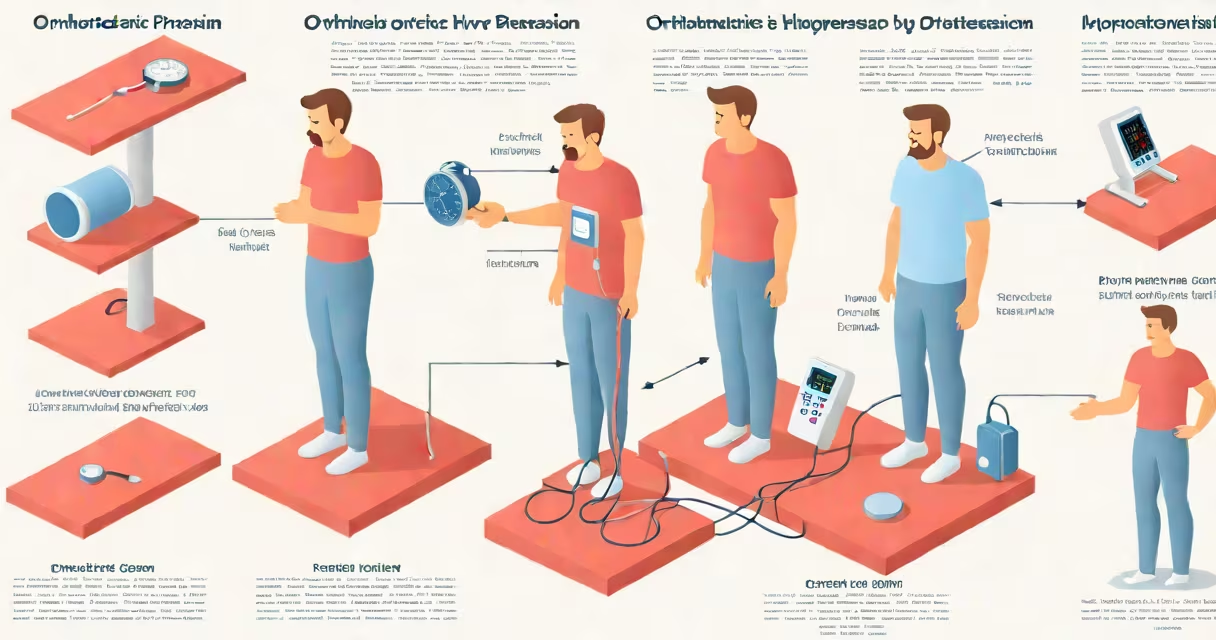
Orthostatic hypotension is a form of low blood pressure that occurs when standing up from sitting or lying down, causing dizziness or fainting. It happens because blood pools in the legs, reducing blood flow to the brain.
When you stand up, gravity pulls blood toward your lower body. Normally, your body compensates by increasing heart rate and constricting blood vessels. In orthostatic hypotension, this adjustment fails, leading to a sudden drop in blood pressure.
| Type | Cause | Duration |
|---|---|---|
| Initial | Delayed response to standing | Minutes |
| Classic | Underlying condition | Persistent |
| Neurogenic | Nervous system damage | Chronic |
Orthostatic hypotension often results from dehydration, prolonged bed rest, or medications like blood pressure drugs. Underlying conditions such as diabetes, Parkinson's disease, or autonomic neuropathy can also contribute.
Many assume it only affects older adults, but it can occur at any age. A study published in the Journal of the American Heart Association found that 5% of healthy young adults experience it occasionally. It's also mistakenly confused with vertigo, which involves inner ear issues rather than blood pressure changes.
I once observed a patient in a clinic who felt dizzy after standing up quickly. The nurse checked their blood pressure while lying down and standing, confirming a 20 mmHg drop in systolic pressure-a classic sign of orthostatic hypotension. The patient was advised to rise slowly and stay hydrated.