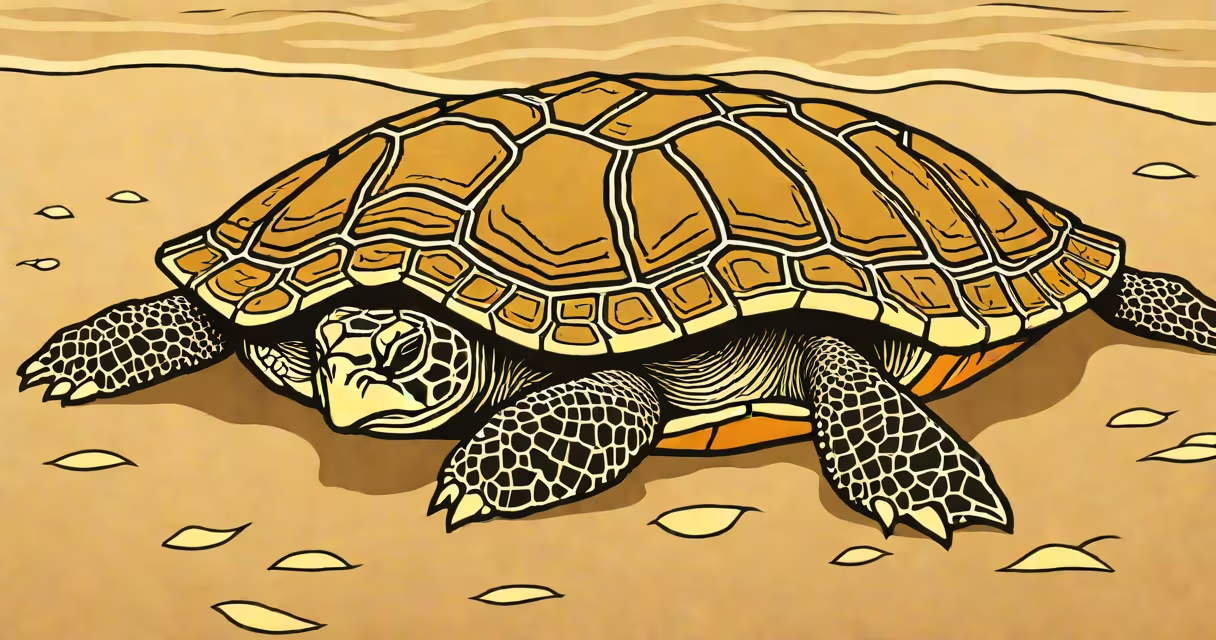
The most endangered turtle is the Yangtze giant softshell turtle (Rafetus swinhoei), with fewer than 10 individuals remaining in the wild. This freshwater species faces imminent extinction due to habitat destruction and over-harvesting.
The Yangtze giant softshell turtle is on the brink of extinction primarily because of human activity. Dams and other infrastructure projects have destroyed much of its habitat along the Yangtze River in China and the Red River in Vietnam., these turtles have been hunted for their meat and eggs, further reducing their numbers.
As of 2023, only three known individuals remain in the wild, all in Vietnam. A few more exist in captivity, including one in China and three in the United States. Conservation efforts are focused on protecting these remaining turtles and breeding programs to increase their numbers.
The Yangtze giant softshell turtle is not the only turtle facing extinction. Other critically endangered species include:
Organizations like the IUCN and Wildlife Alliance are working to protect endangered turtles through habitat restoration, anti-poaching patrols, and captive breeding programs. For example, the Turtle Survival Alliance has successfully bred Yangtze giant softshell turtles in captivity, offering hope for their survival.
You don't need to be a biologist to contribute to turtle conservation. Simple actions like reducing plastic use, supporting wildlife protection organizations, and avoiding products made from endangered species can make a difference. If you encounter a turtle in distress, contact local wildlife authorities for assistance.