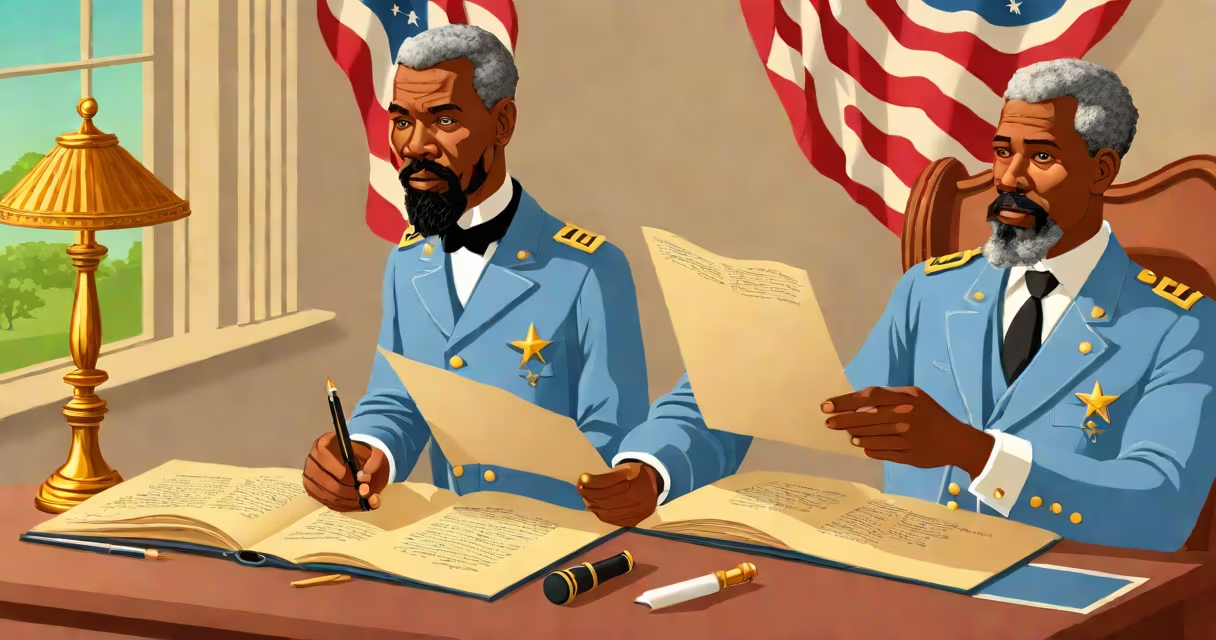
Juneteenth commemorates June 19, 1865, when Union General Gordon Granger announced the end of slavery in Texas, the last Confederate state. This date represents freedom for the last enslaved African Americans, though the Emancipation Proclamation had been issued two years earlier.
The Civil War ended in April 1865, but news traveled slowly. Enslaved people in remote areas, particularly Texas, remained unaware of their freedom. On June 19, 1865, General Granger arrived in Galveston and read General Order No. 3, which declared all enslaved people in Texas free. This event became known as Juneteenth, a blend of "June" and "nineteenth."
Juneteenth celebrates African American freedom and culture. Traditions include family gatherings, picnics, music, and readings of the Emancipation Proclamation. Red foods and drinks, like strawberry soda and red velvet cake, symbolize resilience and sacrifice.
Many communities hold parades and educational events to show Black history and achievements. The holiday also serves as a reminder of the ongoing struggle for racial equality.
Juneteenth was first celebrated in Texas in 1866. By the early 20th century, it spread across the U.S. as African Americans migrated. In 2021, Juneteenth became the 11th federal holiday after Congress passed the Juneteenth National Independence Day Act. President Joe Biden signed it into law on June 17, 2021.
Some confuse Juneteenth with Independence Day (July 4, 1776), which celebrates U.S. independence from Britain. Juneteenth specifically honors the end of slavery in the U.S., a distinct and later event.
Another misconception is that Juneteenth marked the immediate freedom of all enslaved people. In reality, many faced continued oppression, and full legal equality took decades of activism.
Modern Juneteenth celebrations often include speeches, art exhibitions, and community service projects. Organizations like the National Juneteenth Observatory promote education about the holiday's history and significance.
For many, Juneteenth is a time to reflect on progress while advocating for continued racial justice. As historian Henry Louis Gates Jr. notes, "Juneteenth is a time to celebrate freedom, but also to remember the struggles that led to it."
I attended a Juneteenth celebration in Atlanta last year. The event featured live music, food vendors, and a speech by a local civil rights leader. The energy was uplifting, and the message of resilience was useful.
Juneteenth is more than a holiday; it's a recognition of a key moment in U.S. history. Understanding its meaning helps honor the past while working toward a more equitable future.