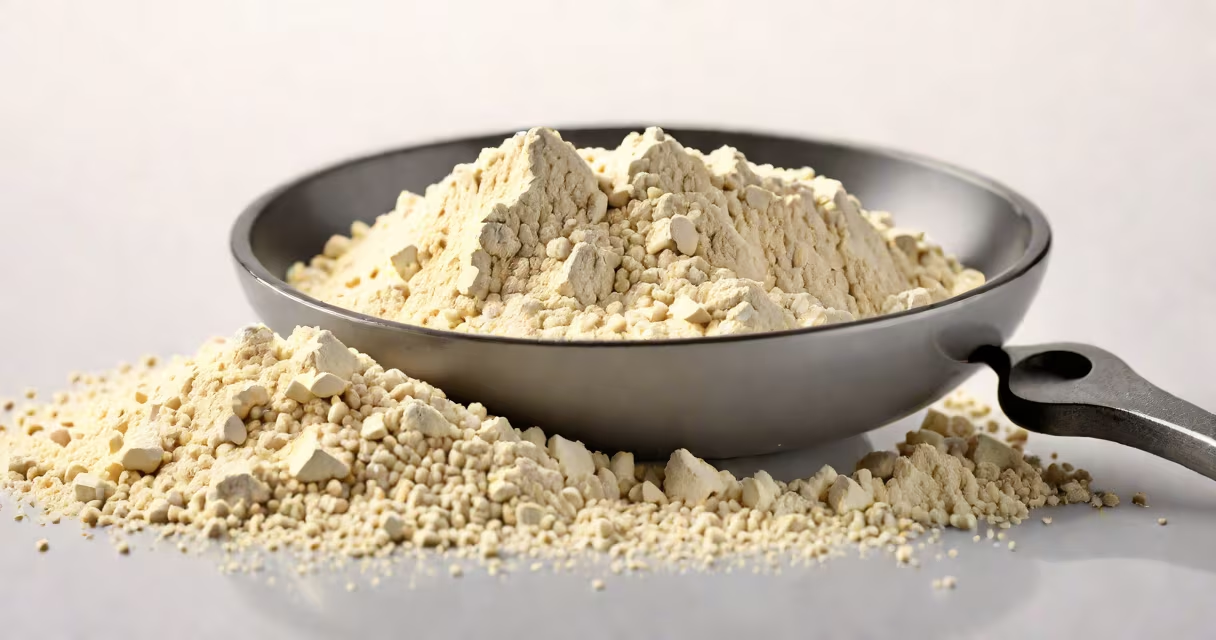
For most adults, the recommended daily dose of creatine is 3-5 grams. This amount supports muscle energy and athletic performance during high-intensity exercise.
Creatine is a compound naturally produced by the body and stored primarily in muscles. It helps produce adenosine triphosphate (ATP), the primary energy carrier in cells. During short bursts of intense activity, such as weightlifting or sprinting, ATP is rapidly depleted. Creatine supplementation increases the body's stores of phosphocreatine, a form of stored energy that replenishes ATP.
The most common form of creatine supplement is creatine monohydrate, which is well-researched and widely available. Other forms, such as creatine hydrochloride and buffered creatine, claim better absorption but lack the same level of scientific backing. Creatine monohydrate is typically taken in doses of 3-5 grams per day.
Some users follow a loading phase, taking 20 grams per day (split into 4 doses) for 5-7 days, followed by a maintenance phase of 3-5 grams per day. However, even without loading, consistent daily intake of 3-5 grams will eventually saturate muscle stores.
Creatine is particularly beneficial for athletes and fitness enthusiasts engaging in high-intensity, short-duration activities like sprinting, weightlifting, and high-intensity interval training (HIIT). It may also support muscle growth and recovery. Research suggests creatine supplementation can improve strength, power, and muscle mass over time.
One widespread myth is that creatine causes dehydration or kidney damage. However, research indicates that creatine is safe for healthy individuals when taken at recommended doses. The International Society of Sports Nutrition (ISSN) confirms that long-term creatine supplementation does not negatively impact kidney function in healthy people.
Another misconception is that creatine only benefits elite athletes. In reality, even recreational gym-goers can experience improvements in strength and endurance with consistent use.
Consider a 30-year-old male who lifts weights 4 times per week. He decides to supplement with 5 grams of creatine monohydrate daily. After 4 weeks, he notices improved performance in his workouts, particularly in exercises like deadlifts and squats, where explosive power is key. His muscles also appear fuller due to increased water retention within muscle cells-a harmless side effect of creatine loading.
After 3 months, he measures his progress and finds a 10% increase in his 1-rep max for bench press compared to his baseline. While genetics, diet, and training play roles, his creatine supplementation likely contributed to this improvement by enhancing his ability to sustain high-intensity efforts.