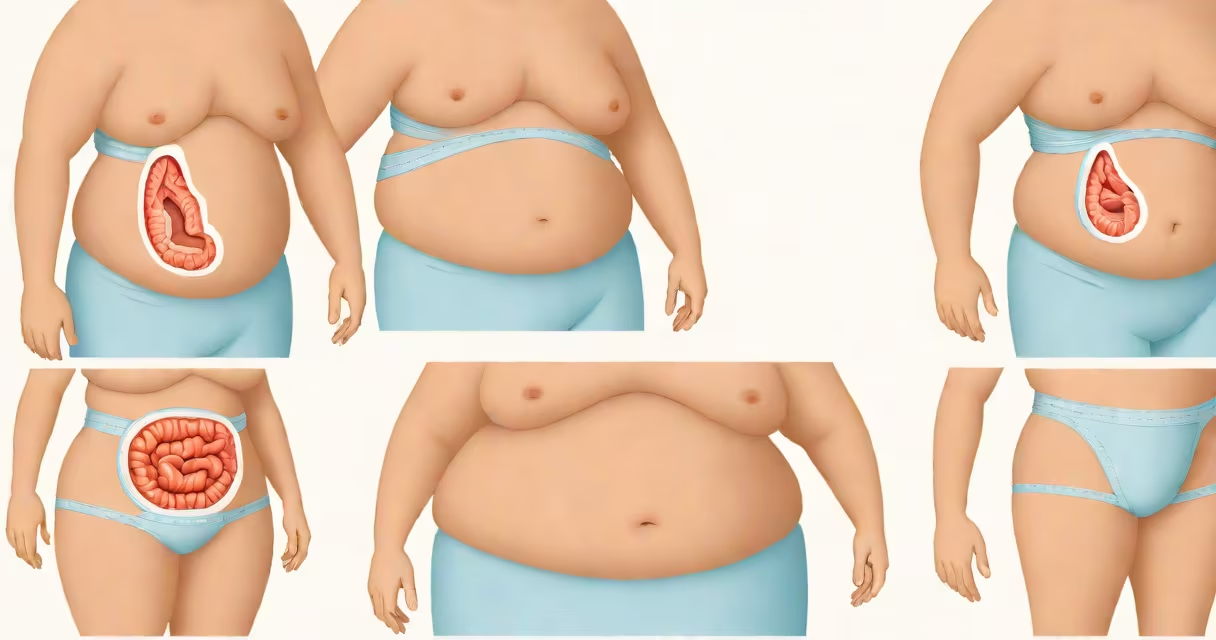
A sleeve for weight loss refers to a **sleeve gastrectomy**, a surgical procedure where about 80% of the stomach is removed, leaving a smaller, tube-shaped stomach. This reduces appetite and calorie absorption, leading to significant weight loss.
The procedure works by restricting food intake and altering gut hormones that control hunger and blood sugar. The smaller stomach holds less food, making patients feel full faster and eat fewer calories. Studies show patients lose 60-70% of excess weight within two years.
| Type | Description | Recovery Time |
|---|---|---|
| Laparoscopic Sleeve Gastrectomy | The most common type, performed using small incisions and a camera. | 2-3 weeks |
| Robotic-Assisted Sleeve Gastrectomy | A more precise version using robotic tools for better control. | 3-4 weeks |
The procedure is typically recommended for adults with a body mass index (BMI) of 40 or higher, or those with a BMI of 35-39 with obesity-related conditions like type 2 diabetes or sleep apnea. Candidates must commit to long-term dietary changes and follow-up care.
Many confuse the sleeve gastrectomy with other bariatric procedures like gastric bypass or banding. Unlike bypass, the sleeve doesn't reroute the digestive tract. Unlike banding, it's irreversible and doesn't involve an adjustable device.
I spoke with a patient who underwent the procedure two years ago. They lost 120 pounds and reported feeling healthier than ever, with no longer needing medication for high blood pressure. However, they emphasized the importance of adhering to a strict diet and exercise routine post-surgery.
Always consult a healthcare provider to determine the best approach for individual needs.