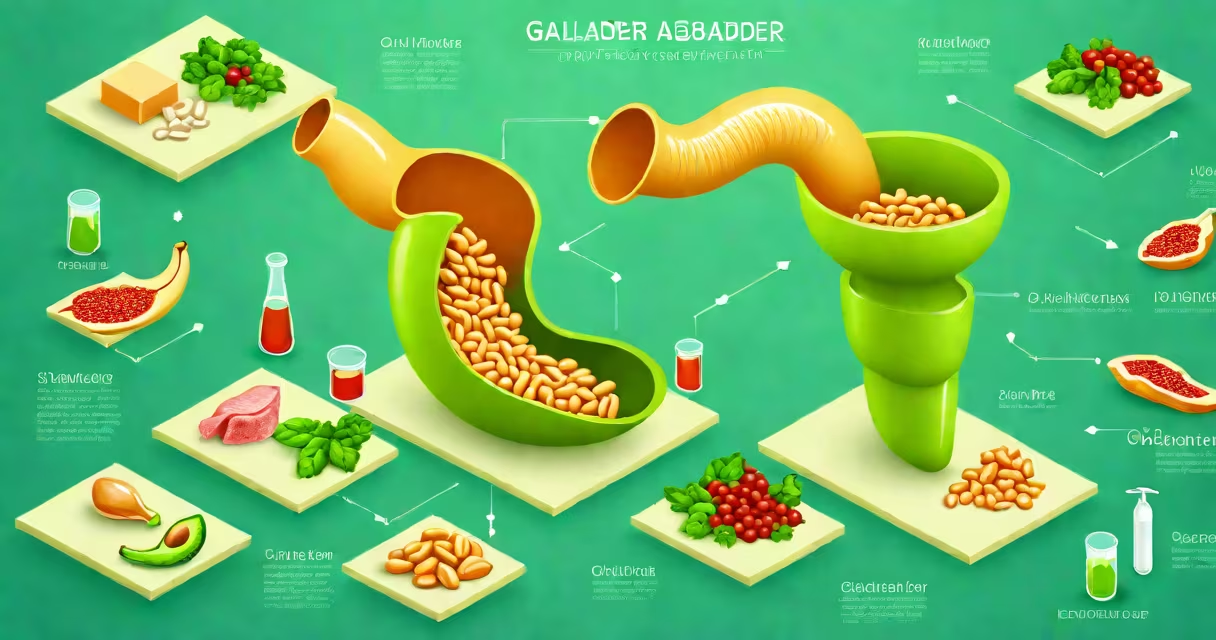
The gallbladder is a small organ that stores bile produced by the liver and releases it into the small intestine to aid in digesting fats. This storage and release mechanism ensures efficient digestion, especially after fatty meals.
The liver continuously produces bile, a greenish-yellow fluid containing cholesterol, bile salts, and bilirubin. The gallbladder stores this bile and concentrates it by absorbing water and salts. When food, particularly fatty food, enters the small intestine, the gallbladder contracts and releases stored bile into the duodenum via the bile ducts. Bile emulsifies fats, breaking them into smaller droplets that enzymes can digest more easily.
The gallbladder performs two primary functions:
This dual role helps bile is available in sufficient quantities and concentration when needed for digestion.
The gallbladder is located beneath the liver and connects to the common bile duct, which leads to the small intestine. Its primary use is to help the digestion of dietary fats. Without the gallbladder, bile would flow directly from the liver into the intestines, diluting its effectiveness. The gallbladder's ability to store and concentrate bile helps the digestive system can handle sudden intake of fatty foods efficiently.
Many people believe the gallbladder is non-essential because it can be removed without immediate life-threatening consequences. While it's true that the body can adapt after gallbladder removal (a procedure called cholecystectomy), patients often experience digestive issues, such as diarrhea or difficulty digesting fatty foods, especially soon after eating. The gallbladder's role in concentrating bile is difficult to replicate, leading to less efficient digestion in its absence.
Another misconception is that the gallbladder produces bile. In reality, the liver produces bile, and the gallbladder merely stores and modifies it. This distinction is important for understanding digestive health and the implications of gallbladder removal.
When you eat a cheeseburger and fries, the gallbladder responds by contracting and releasing bile into the small intestine. The bile emulsifies the fats from the burger and fries, allowing enzymes like lipase to break them down into fatty acids and glycerol, which the body can absorb. Without the gallbladder, bile would enter the intestine in a diluted form, making fat digestion less efficient and potentially causing discomfort.
In cases of gallbladder disease, such as gallstones or inflammation, the organ may be removed. While the body can still digest fats without a gallbladder, patients often need to adjust their diets, especially immediately after surgery. Smaller, more frequent meals with lower fat content can help manage symptoms. Over time, the liver adapts by producing bile continuously, though it lacks the concentrated punch provided by the gallbladder.
During my time volunteering at a nutrition clinic, I observed patients who had undergone gallbladder removal. Many struggled initially with greasy or fried foods, reporting bloating and diarrhea. However, those who followed a structured diet plan with smaller, balanced meals saw significant improvement within a few weeks. This underscored the gallbladder's role in efficient digestion and the importance of dietary adjustments post-surgery.
The gallbladder plays a critical role in storing and concentrating bile, ensuring efficient digestion of fats. While it can be removed if necessary, its absence requires dietary modifications to maintain digestive comfort and health. Understanding the gallbladder's function helps appreciate its importance in the digestive process.