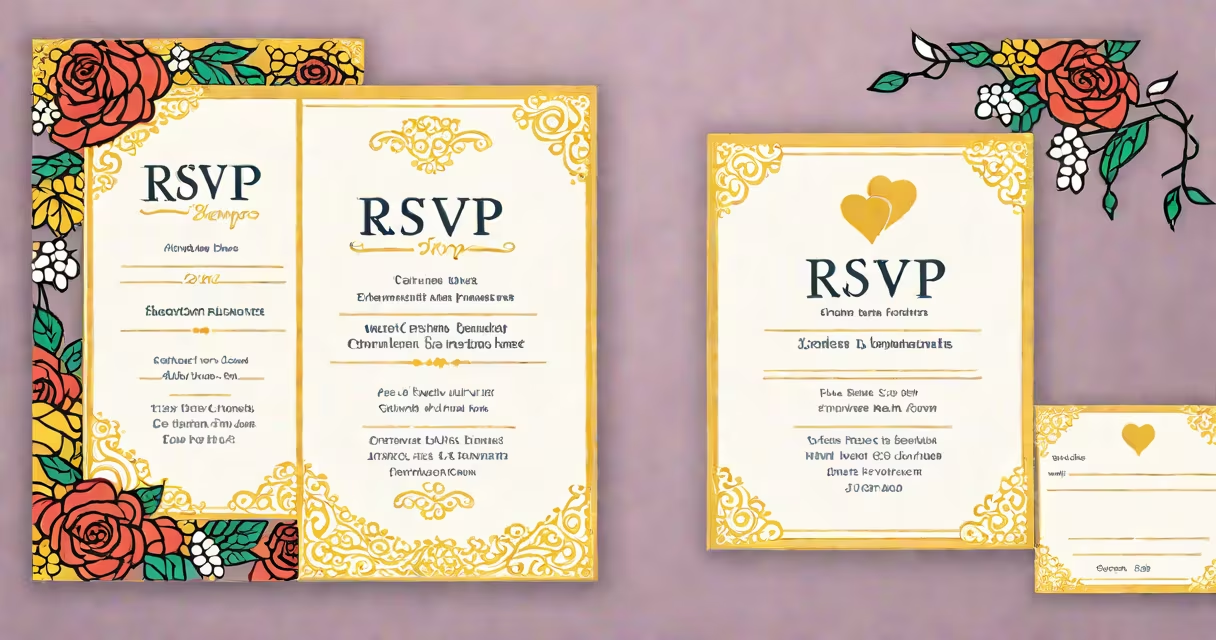
RSVP is a French phrase meaning "please reply," used on invitations to request a response confirming attendance.
RSVP indicates the host needs a definitive answer by a specific date to plan accordingly. Responses typically include whether the guest will attend, decline, or are uncertain. The phrase originated from the French phrase "répondez s'il vous plaît."
| Type | Example | Response Method |
|---|---|---|
| Written Response | Return card enclosed | Mailback card |
| Digital Response | Website link | Online form |
| Verbal Response | Phone call | Phone or email |
RSVP appears on formal and semi-formal invitations, including weddings, parties, and corporate events. Hosts use it to estimate attendance for seating, catering, and budgeting. According to the Emily Post Institute, responding to an RSVP is a basic courtesy expected within the timeframe requested.
Consider a wedding invitation with an RSVP deadline of June 1st. The guest should respond by that date, even if they cannot attend. If the guest plans to bring a plus-one, this should also be specified in the response. Ignoring the RSVP request forces the host to follow up, creating unnecessary stress.
When planning my sister's wedding, we requested RSVPs by May 15th. We received all but three responses by the deadline. Chasing down those last few guests added unnecessary stress and required adjusting the seating chart multiple times. Clear communication about the RSVP deadline and method helped ensure most guests responded promptly.