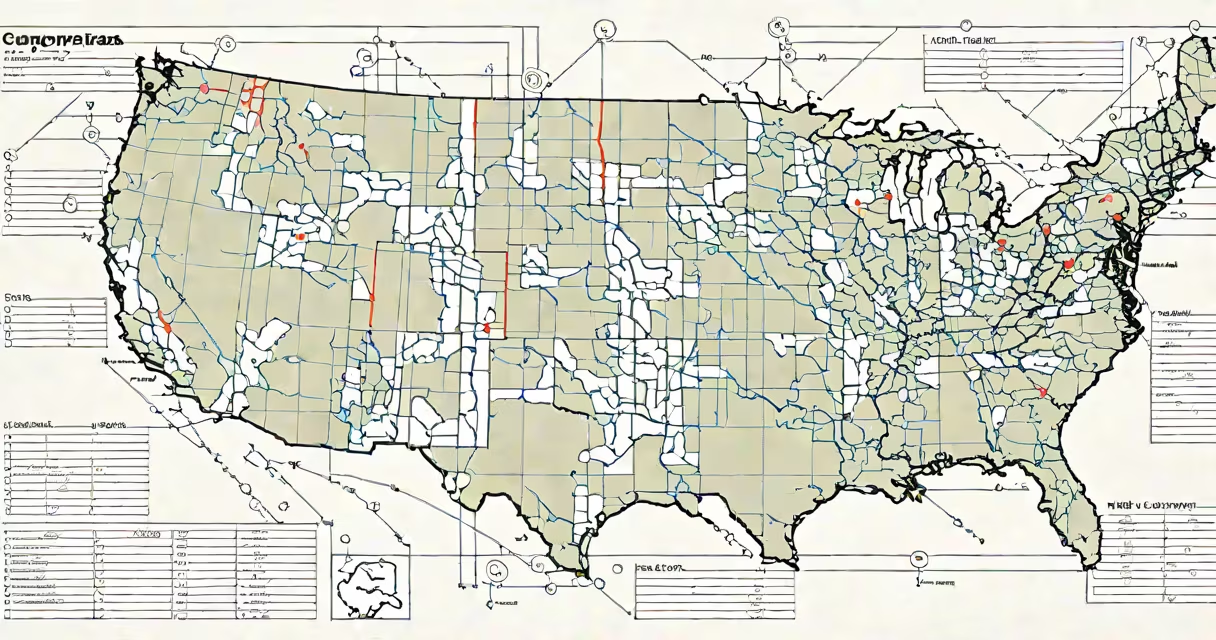
A power company in your area is the utility provider responsible for delivering electricity to your home or business. These companies maintain the infrastructure and manage service for specific geographic regions.
Power companies operate within designated service territories. These territories are often determined by state regulators or public utility commissions. For example, Duke Energy serves parts of North Carolina, South Carolina, and other states, while Consolidated Edison serves New York City and Westchester County.
| Type | Description | Example |
|---|---|---|
| Investor-Owned Utilities (IOUs) | Privately owned companies regulated by state and federal agencies | PG&E (Pacific Gas & Electric) |
| Public Power | Owned by municipalities or government entities | Los Angeles Department of Water and Power (LADWP) |
| Cooperatives | Non-profit utilities owned by their members | Cooperative Energy (Mississippi) |
To determine which power company serves your address, start by checking your electricity bill. The name and contact information of your provider will be listed at the top. If you don't have access to your bill, search online using your ZIP code and the term "electricity provider." Many states have official websites that list utility companies by service area.
For example, if you live in Texas, you can visit the Public Utility Commission of Texas website. Enter your ZIP code to see a list of retail electric providers serving your area. In California, the California Public Utilities Commission provides similar resources.
Another common confusion arises from the difference between transmission and distribution. Transmission companies move high-voltage electricity over long distances, while distribution companies deliver lower-voltage power to homes and businesses. Some companies handle both, while others specialize in one.
I once experienced a prolonged outage during a winter storm. My local utility provided updates through their mobile app, which helped me track restoration progress. This transparency is important during emergencies.